9702/4110 marks
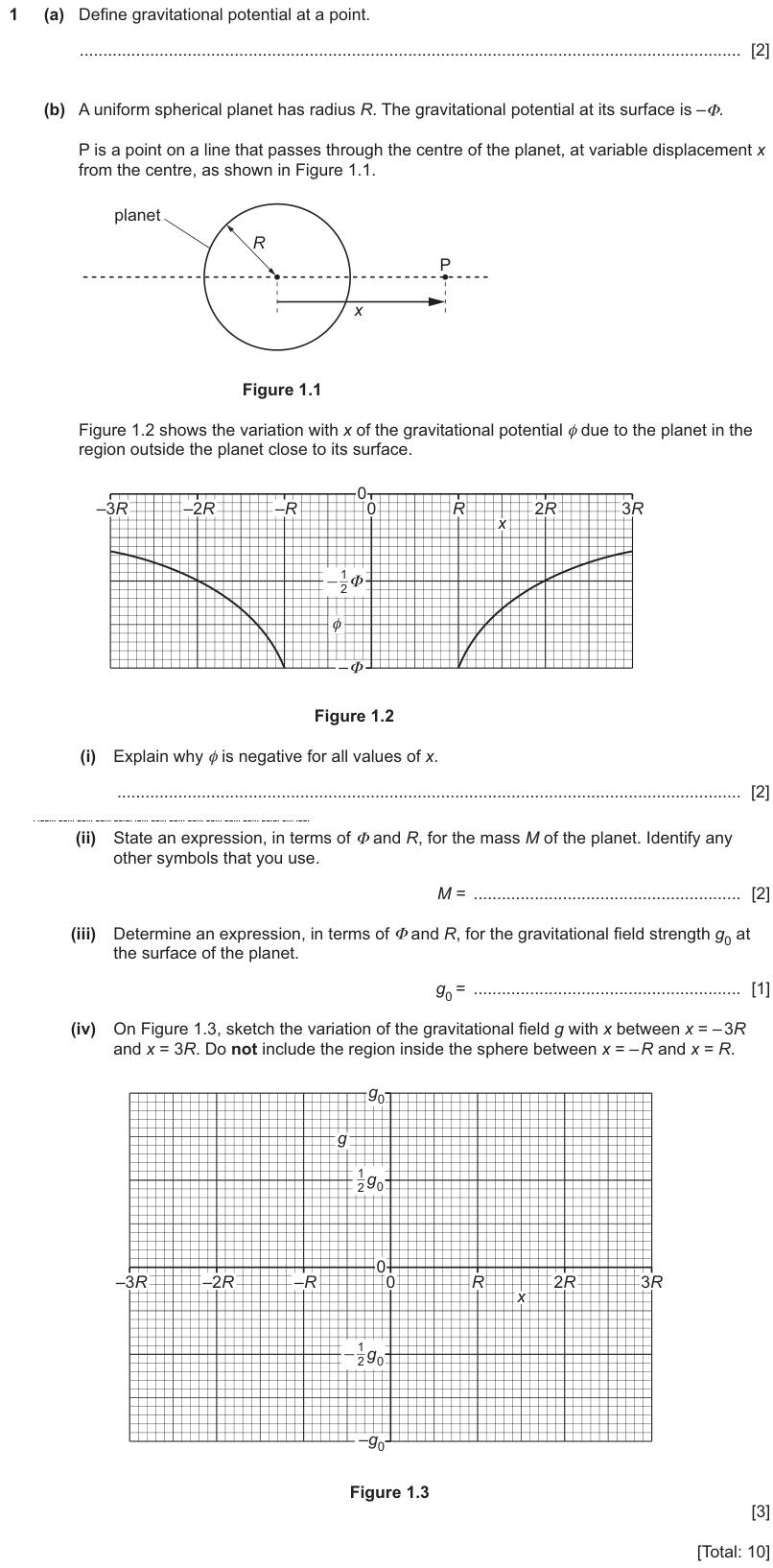
May/June 2026 · Question 1
13.4 Gravitational potential
13.4 Gravitational potential
9702/4113 marks
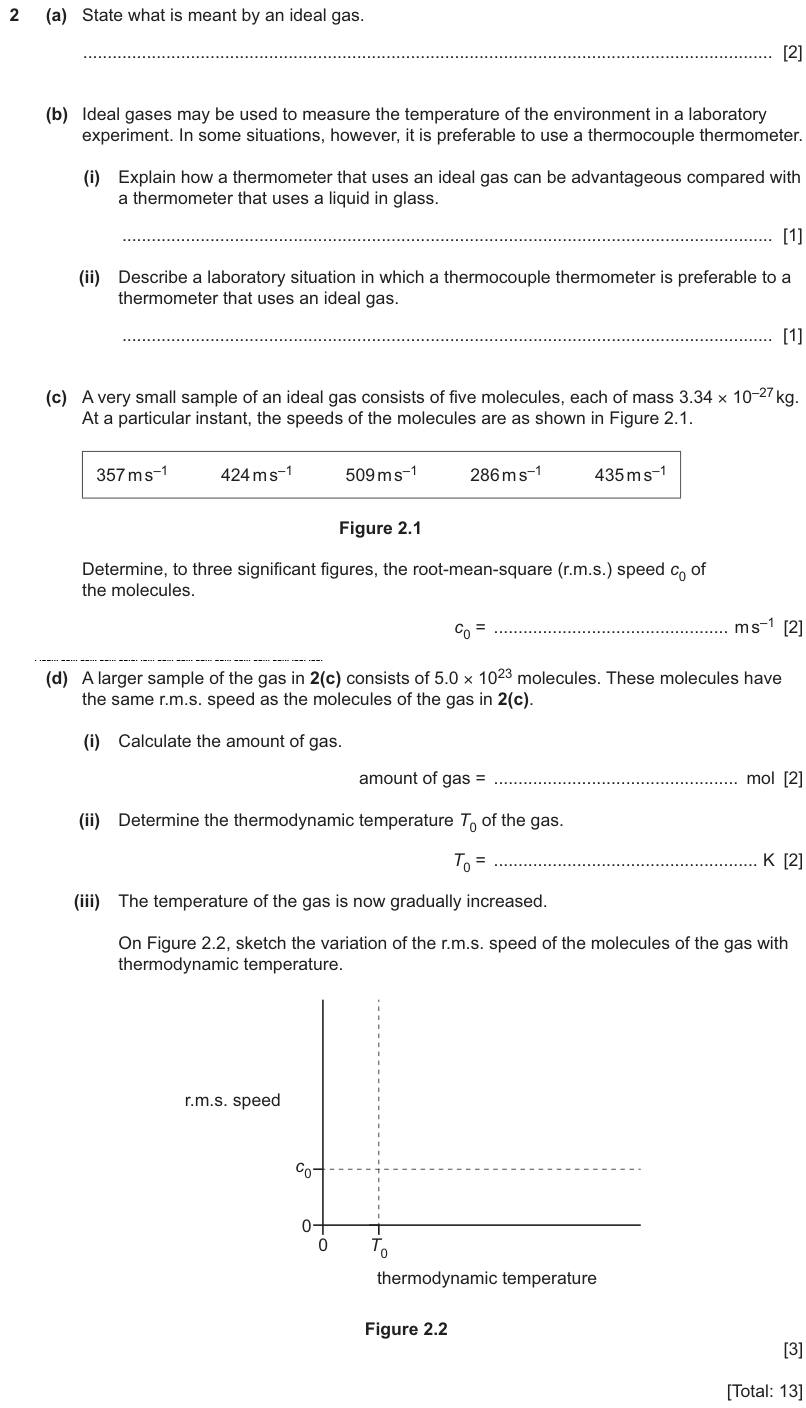
May/June 2026 · Question 2
15.3 Kinetic theory of gases, 15.1 The mole, 15.2 Equation of state
15.3 Kinetic theory of gases15.1 The mole15.2 Equation of state
9702/4110 marks
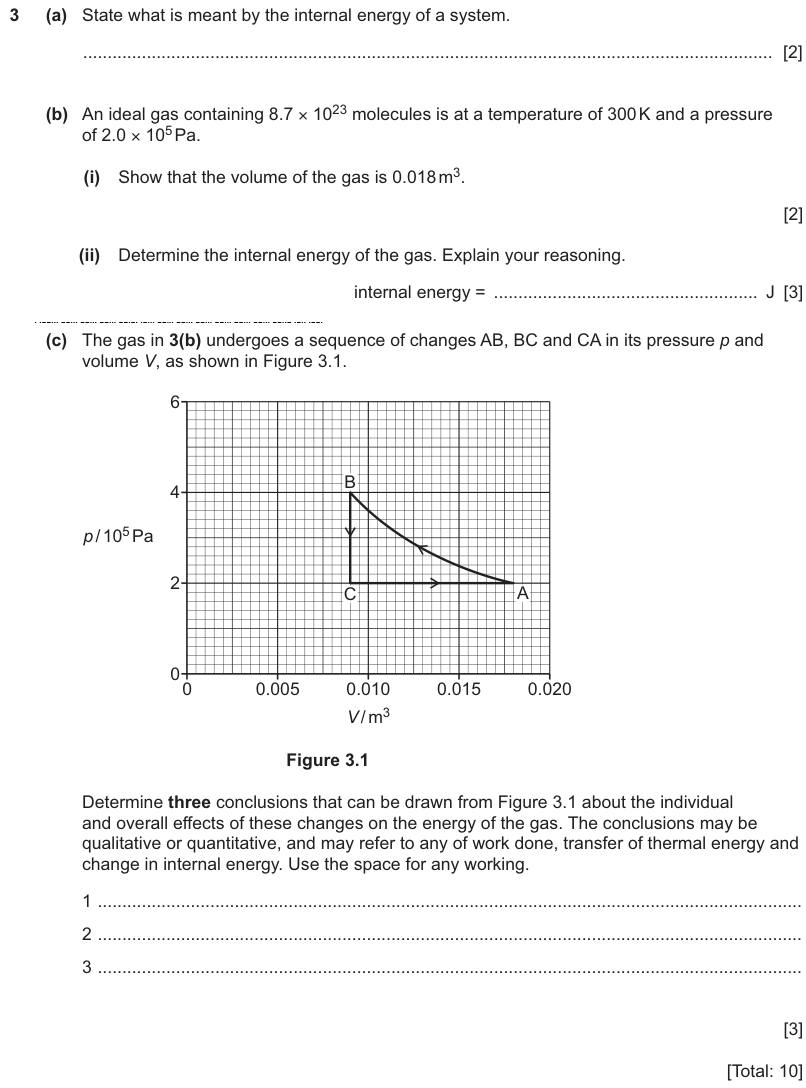
May/June 2026 · Question 3
16.1 Internal energy, 15.2 Equation of state, 16.2 The first law of thermodynamics
16.1 Internal energy15.2 Equation of state16.2 The first law of thermodynamics
9702/419 marks
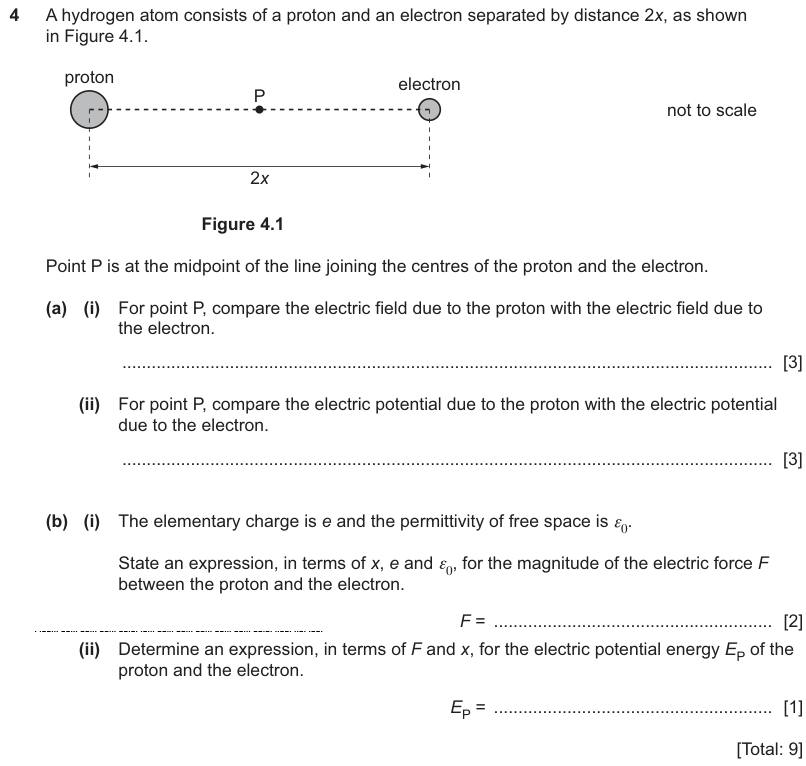
May/June 2026 · Question 4
18.4 Electric field of a point charge, 18.5 Electric potential, 18.3 Electric force between point charges
18.4 Electric field of a point charge18.5 Electric potential18.3 Electric force between point charges
9702/418 marks
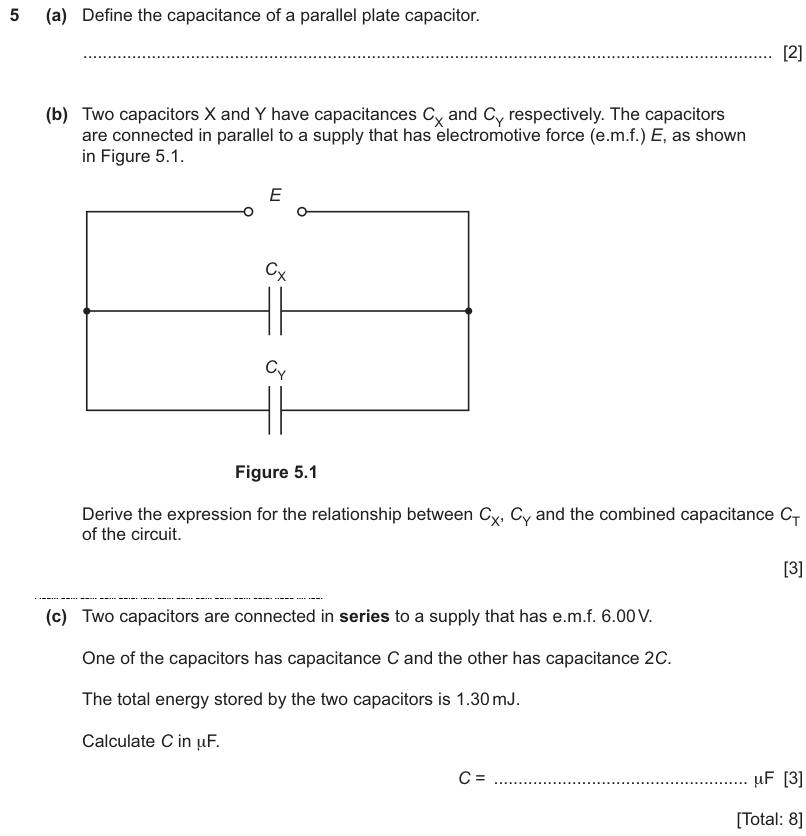
May/June 2026 · Question 5
19.1 Capacitors and capacitance, 19.2 Energy stored in a capacitor
19.1 Capacitors and capacitance19.2 Energy stored in a capacitor
9702/4112 marks
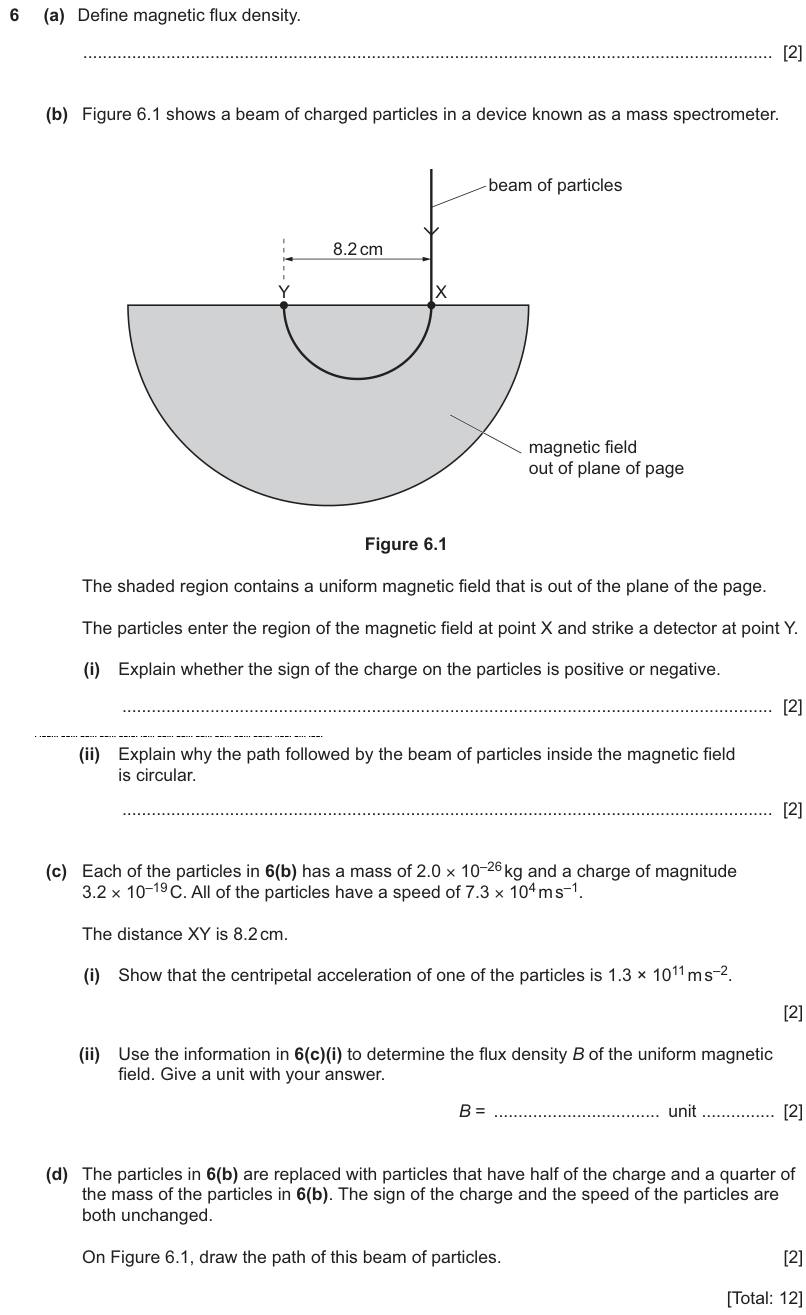
May/June 2026 · Question 6
20.3 Force on a moving charge, 20.1 Concept of a magnetic field, 12.2 Centripetal acceleration
20.3 Force on a moving charge20.1 Concept of a magnetic field12.2 Centripetal acceleration
9702/418 marks
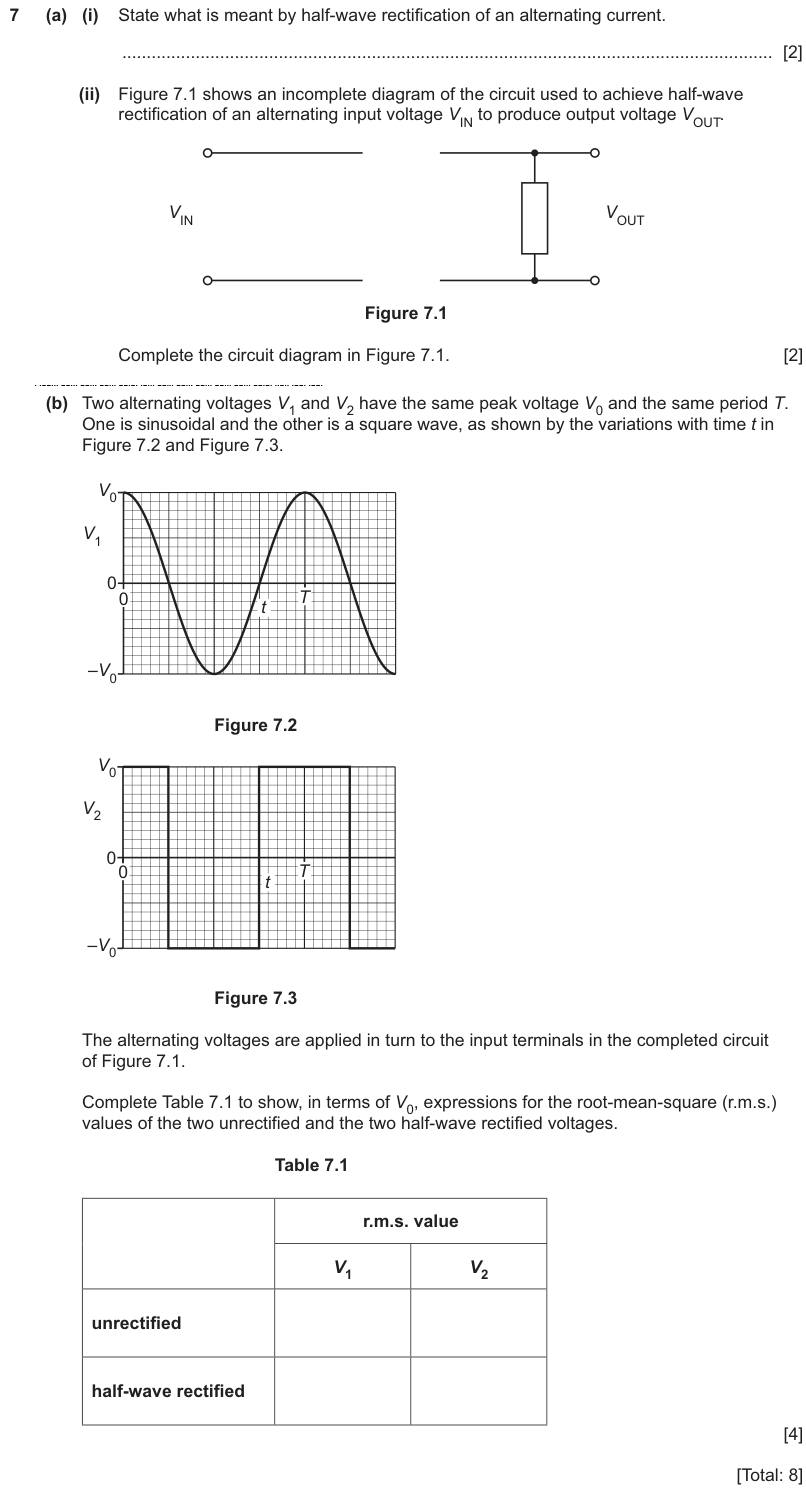
May/June 2026 · Question 7
21.1 Characteristics of alternating currents, 21.2 Rectification and smoothing
21.1 Characteristics of alternating currents21.2 Rectification and smoothing
9702/4113 marks
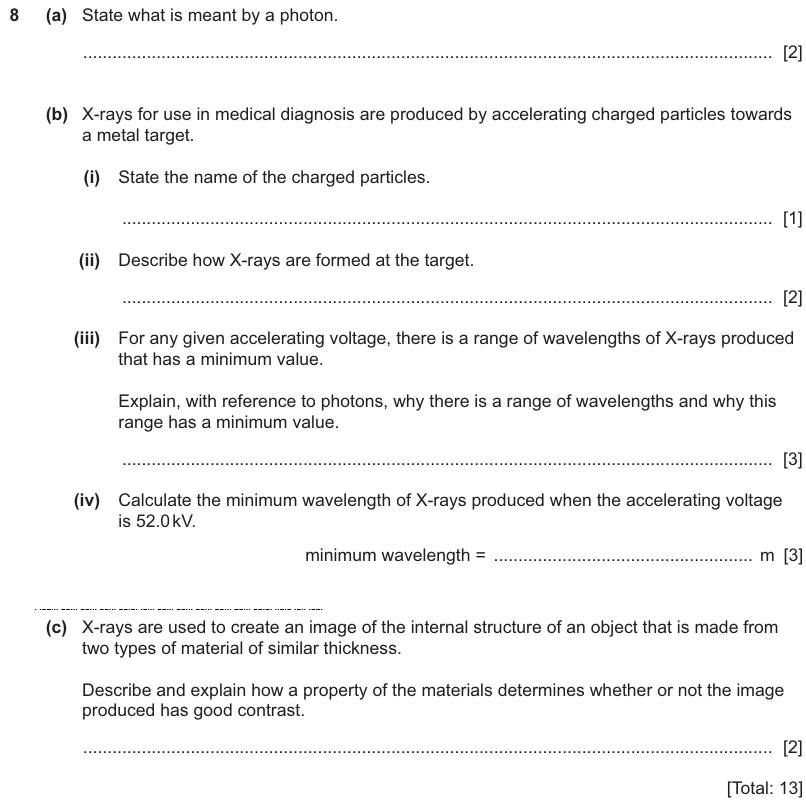
May/June 2026 · Question 8
24.2 Production and use of X-rays, 22.1 Energy and momentum of a photon
24.2 Production and use of X-rays22.1 Energy and momentum of a photon
9702/419 marks
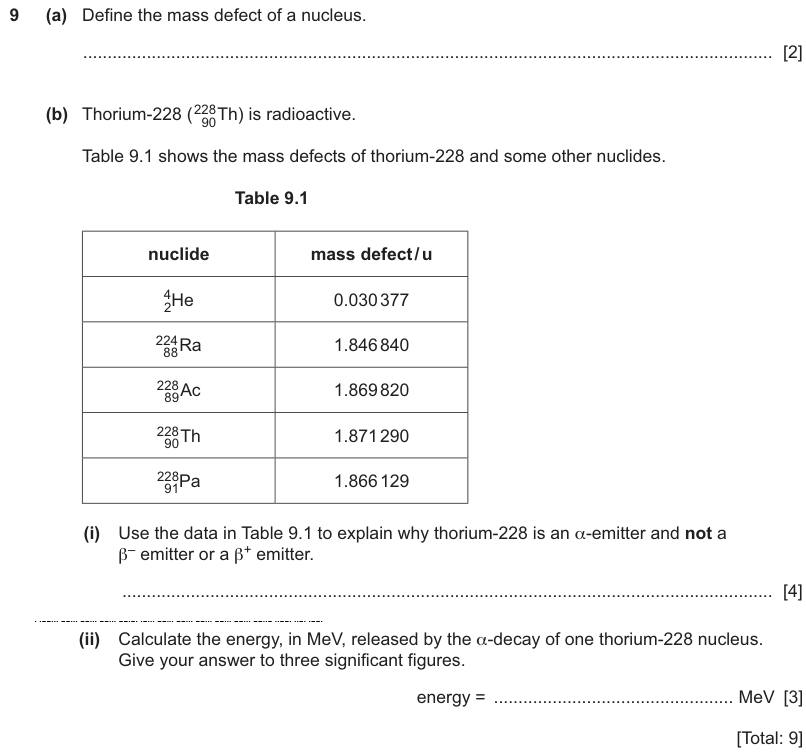
May/June 2026 · Question 9
23.1 Mass defect and nuclear binding energy, 23.2 Radioactive decay
23.1 Mass defect and nuclear binding energy23.2 Radioactive decay
9702/418 marks
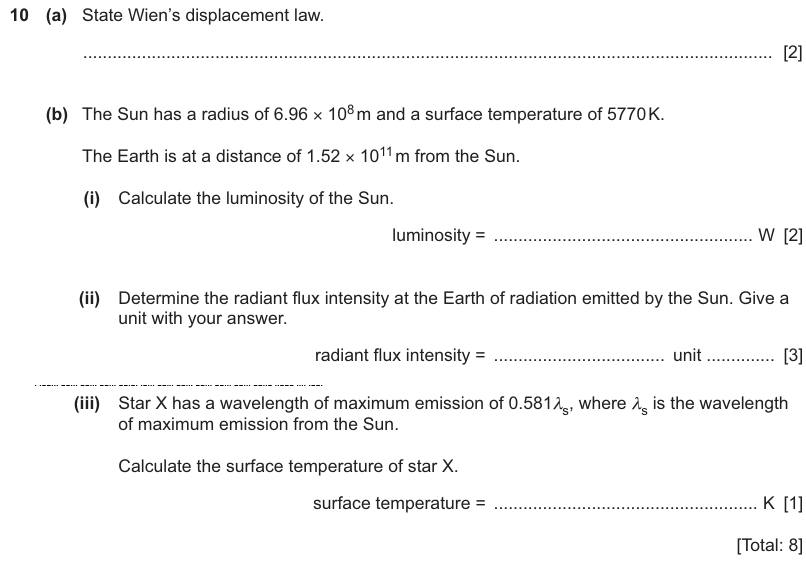
May/June 2026 · Question 10
25.2 Stellar radii, 25.1 Standard candles
25.2 Stellar radii25.1 Standard candles