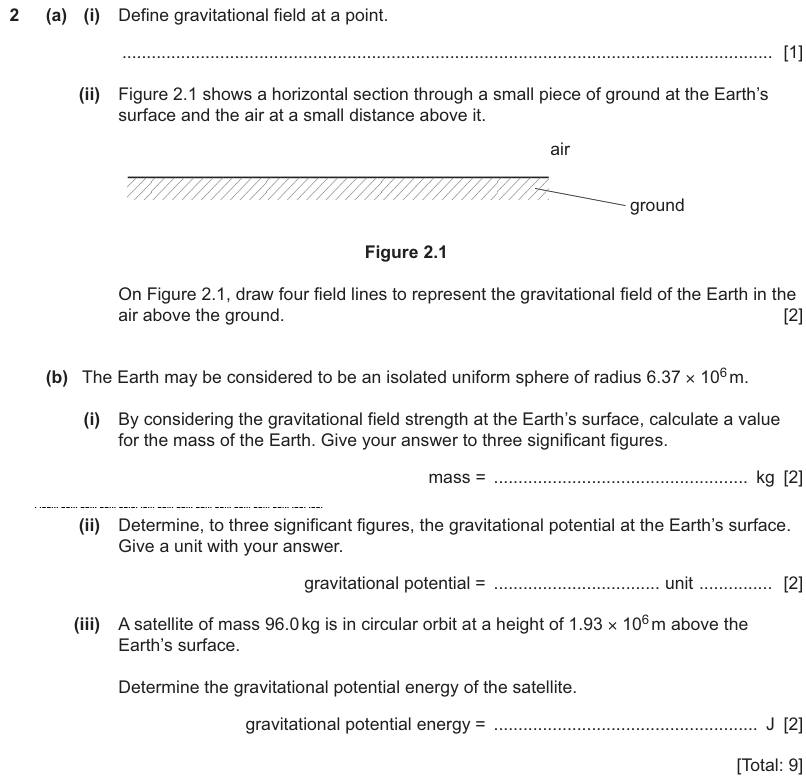
9702/2211 marks
May/June 2026 · Question 1
2.1 Equations of motion, 1.4 Scalars and vectors
2.1 Equations of motion1.4 Scalars and vectors
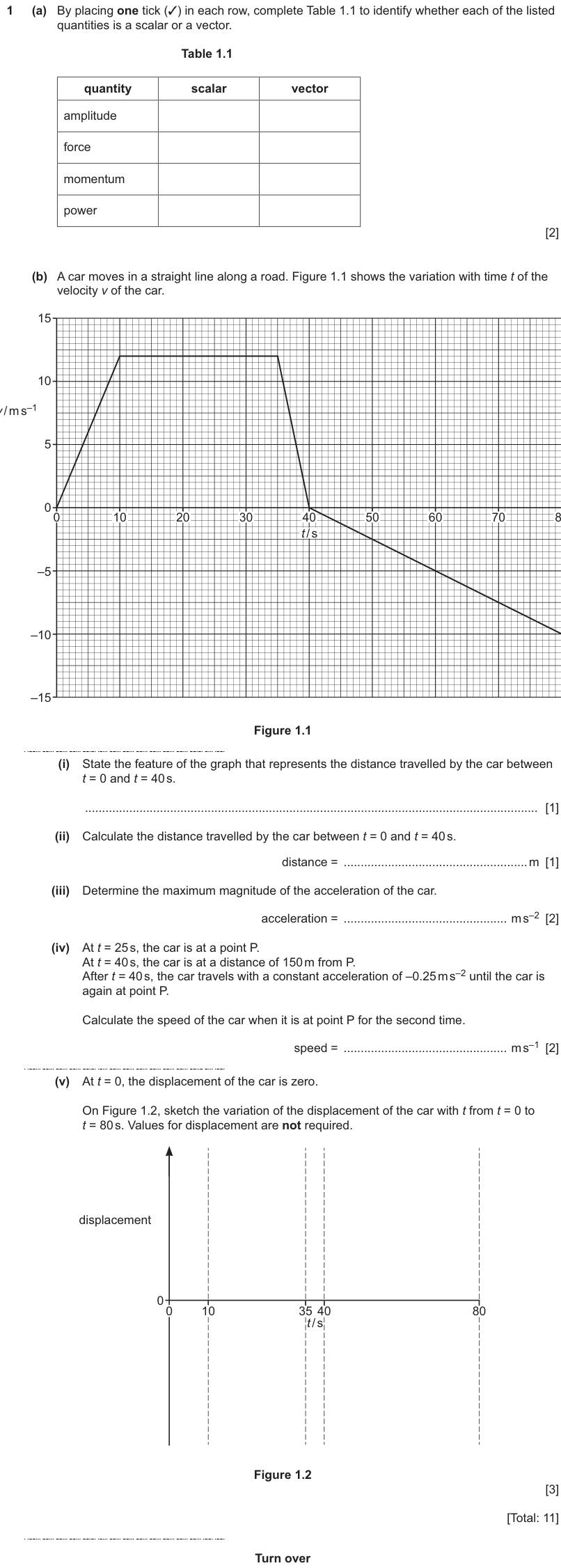
9702/228 marks
May/June 2026 · Question 2
4.2 Equilibrium of forces, 6.2 Elastic and plastic behaviour
4.2 Equilibrium of forces6.2 Elastic and plastic behaviour
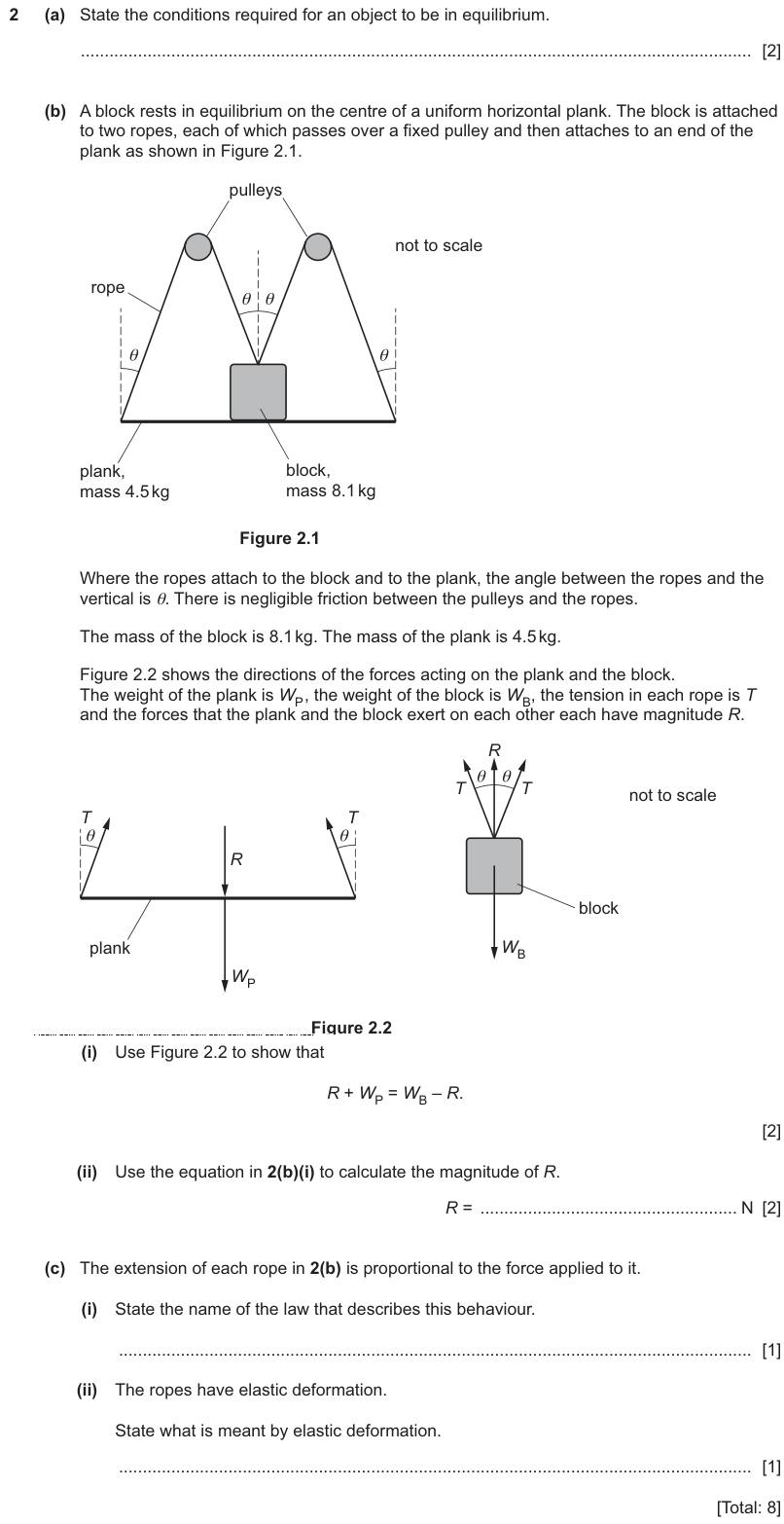
9702/2210 marks
May/June 2026 · Question 3
8.3 Interference, 7.1 Progressive waves, 5.2 Gravitational potential energy and kinetic energy
8.3 Interference7.1 Progressive waves5.2 Gravitational potential energy and kinetic energy
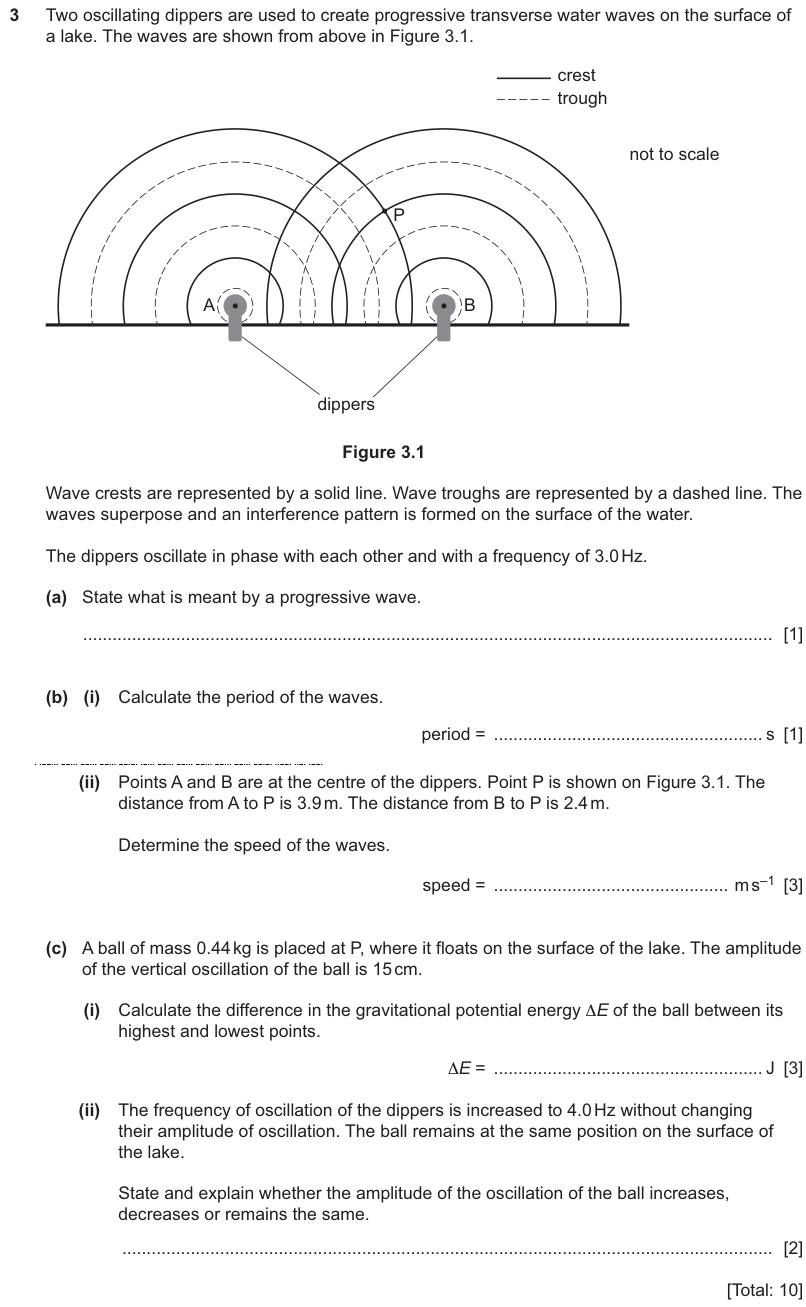
9702/2210 marks
May/June 2026 · Question 4
5.1 Energy conservation, 5.2 Gravitational potential energy and kinetic energy, 9.2 Potential difference and power
5.1 Energy conservation5.2 Gravitational potential energy and kinetic energy9.2 Potential difference and power
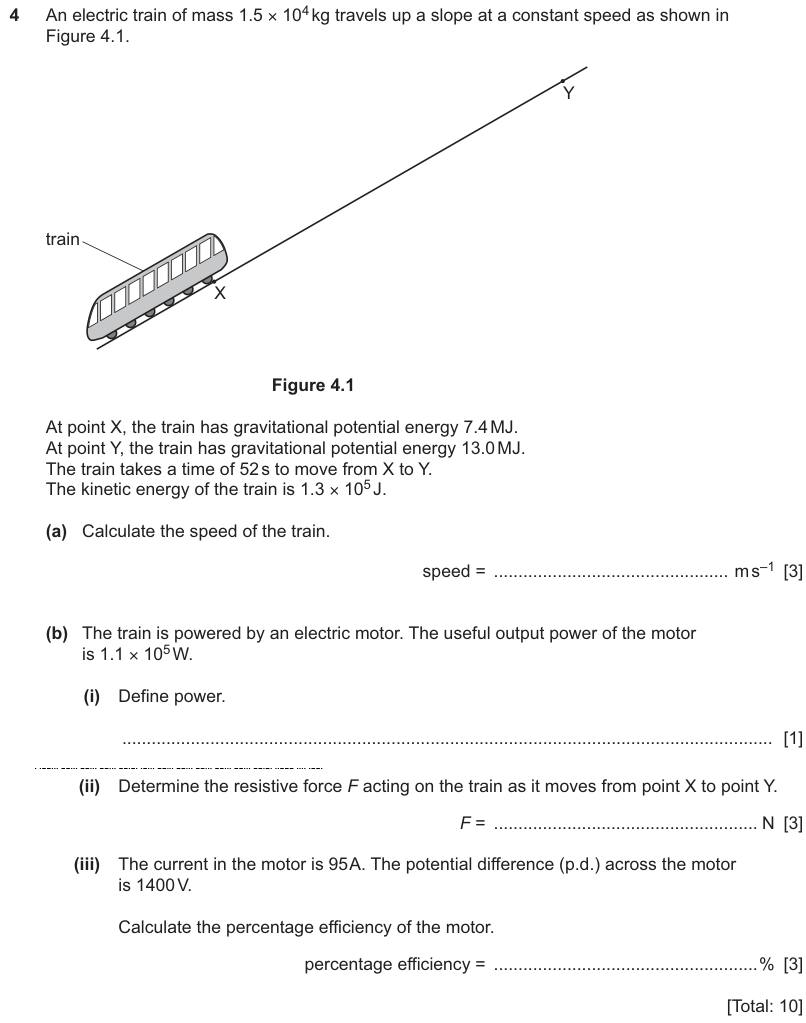
9702/2212 marks
May/June 2026 · Question 5
10.1 Practical circuits, 9.1 Electric current, 10.2 Kirchhoff’s laws
10.1 Practical circuits9.1 Electric current10.2 Kirchhoff’s laws
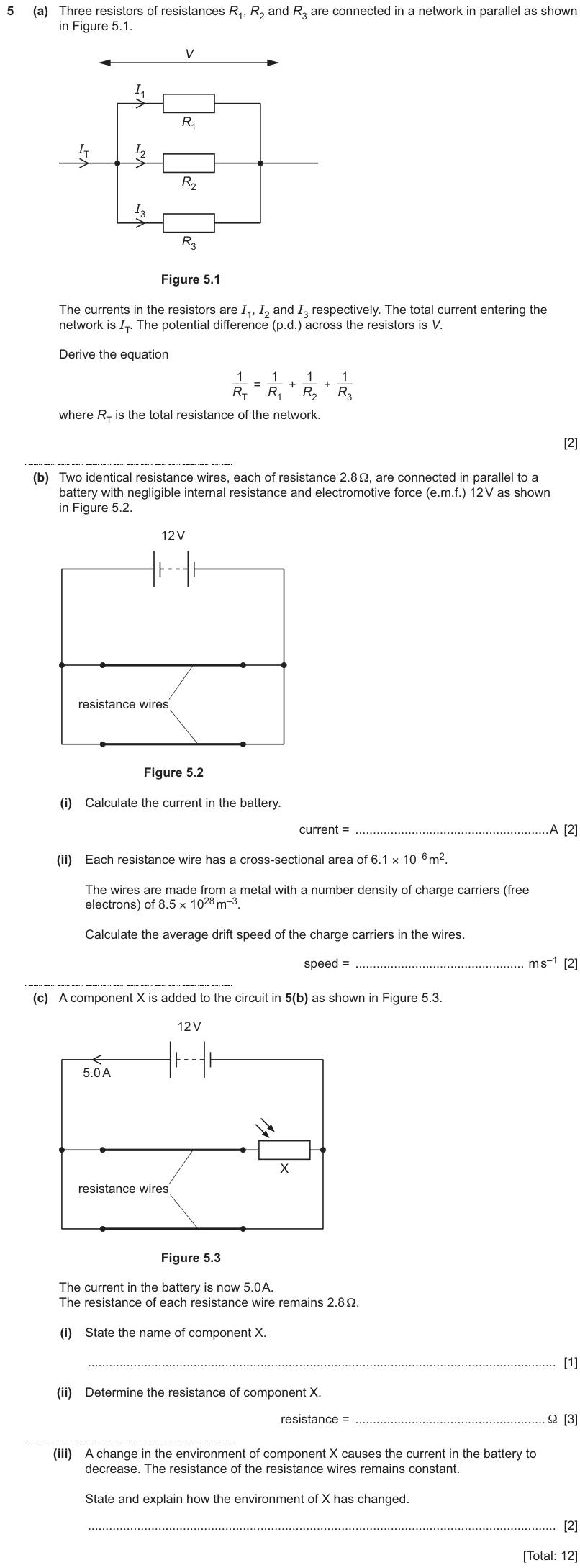
9702/229 marks
May/June 2026 · Question 6
3.3 Linear momentum and its conservation, 11.1 Atoms, nuclei and radiation, 11.2 Fundamental particles
3.3 Linear momentum and its conservation11.1 Atoms, nuclei and radiation11.2 Fundamental particles
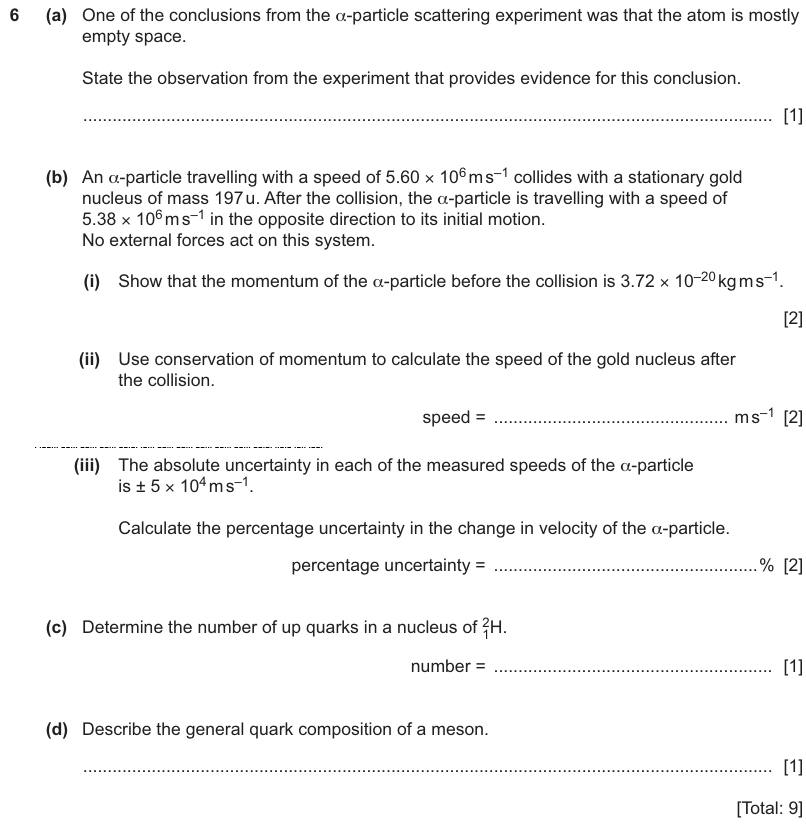
9702/2313 marks
May/June 2026 · Question 1
3.3 Linear momentum and its conservation, 2.1 Equations of motion, 3.1 Momentum and Newton’s laws of motion
3.3 Linear momentum and its conservation2.1 Equations of motion3.1 Momentum and Newton’s laws of motion
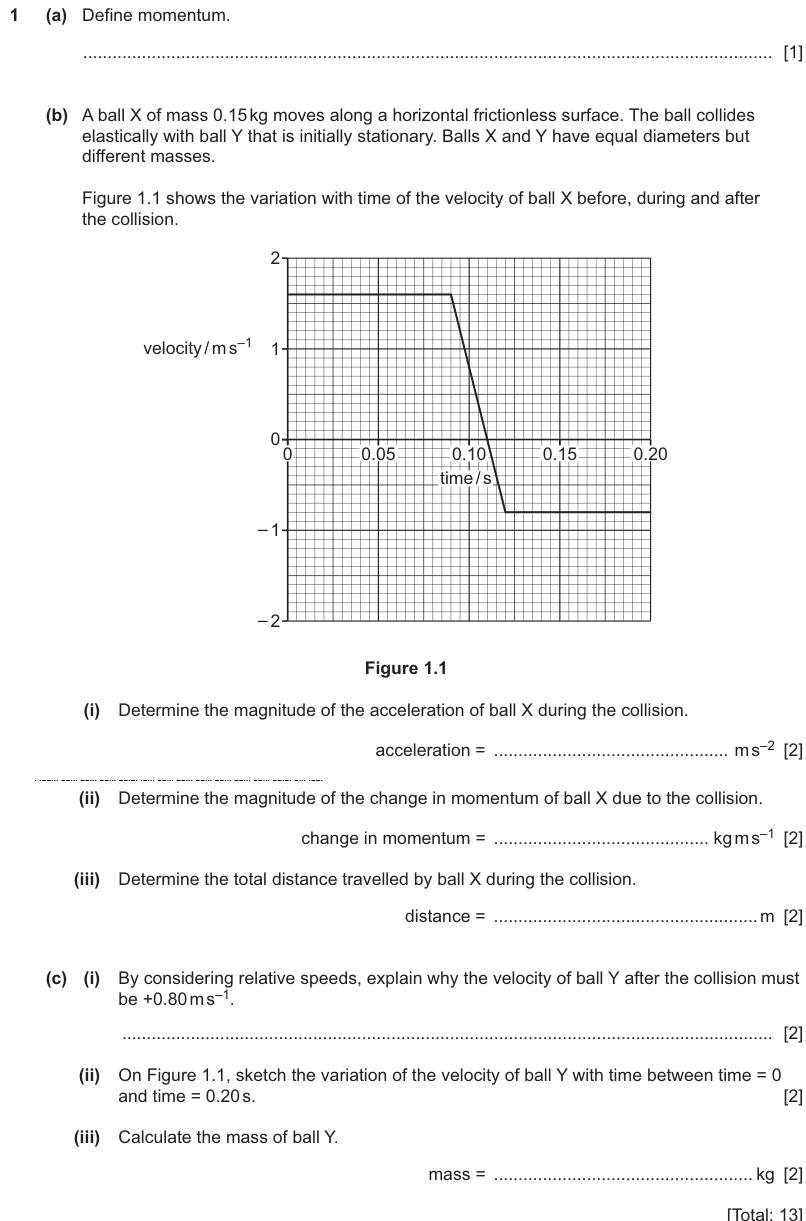
9702/2312 marks
May/June 2026 · Question 2
6.1 Stress and strain, 4.3 Density and pressure, 5.2 Gravitational potential energy and kinetic energy
6.1 Stress and strain4.3 Density and pressure5.2 Gravitational potential energy and kinetic energy
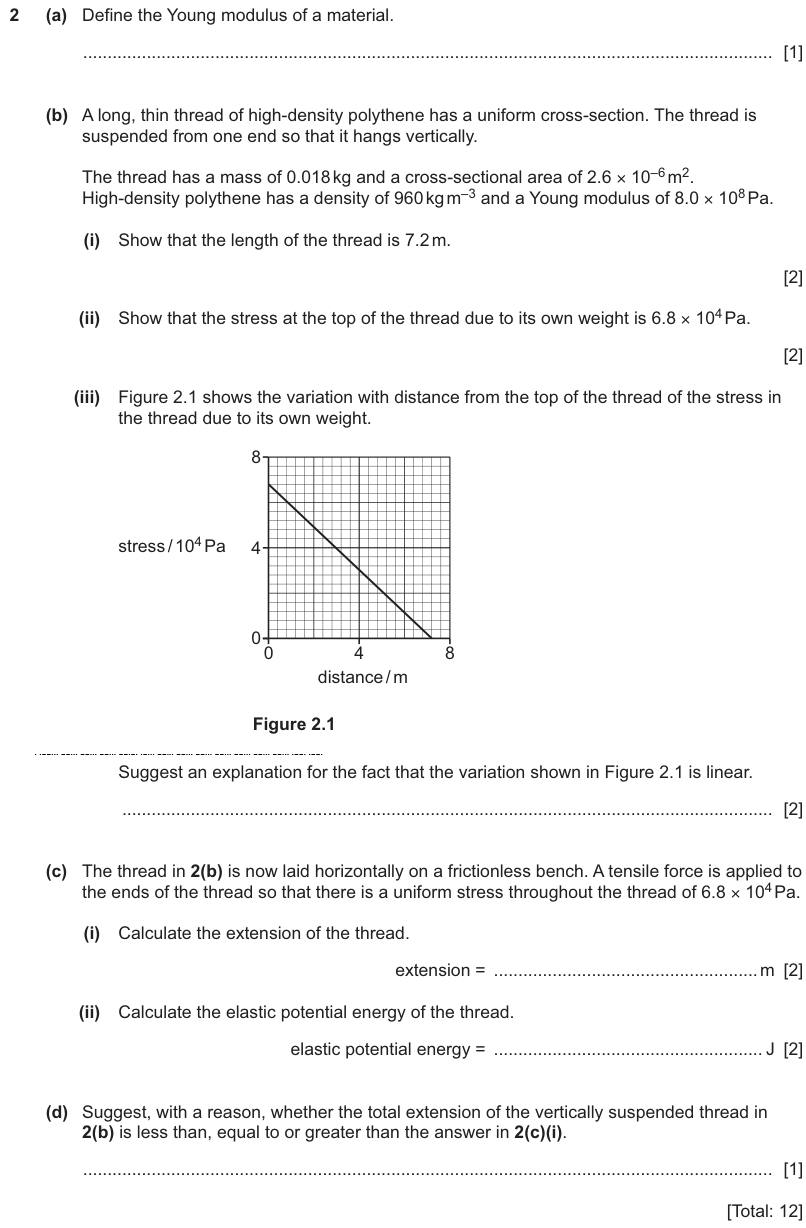
9702/2314 marks
May/June 2026 · Question 3
8.3 Interference
8.3 Interference
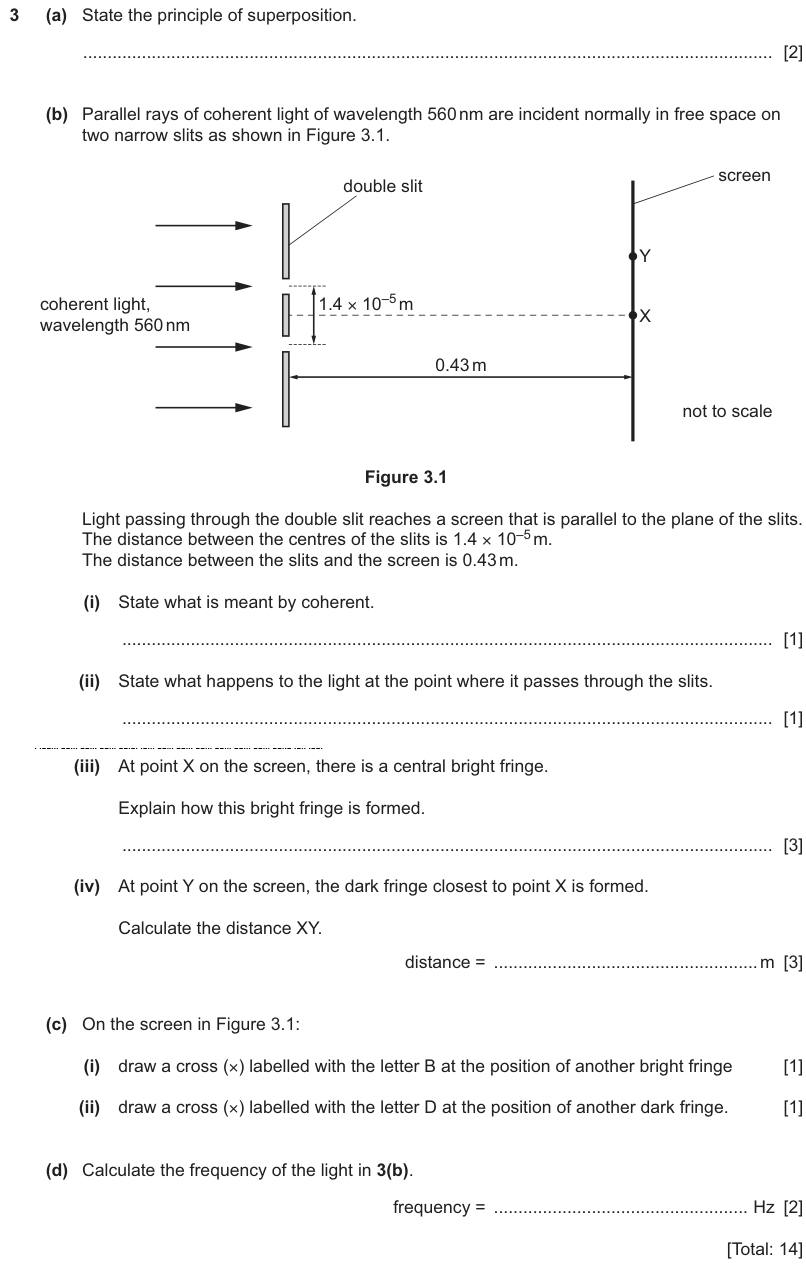
9702/2311 marks
May/June 2026 · Question 4
10.1 Practical circuits, 1.3 Errors and uncertainties
10.1 Practical circuits1.3 Errors and uncertainties
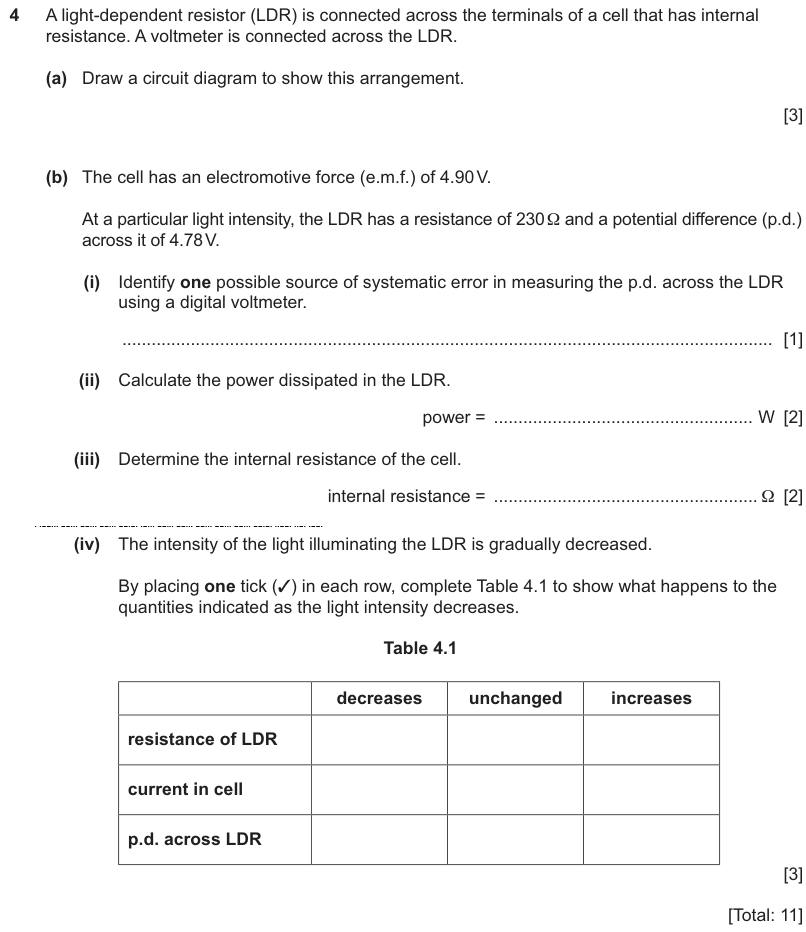
9702/2310 marks
May/June 2026 · Question 5
11.2 Fundamental particles, 11.1 Atoms, nuclei and radiation
11.2 Fundamental particles11.1 Atoms, nuclei and radiation
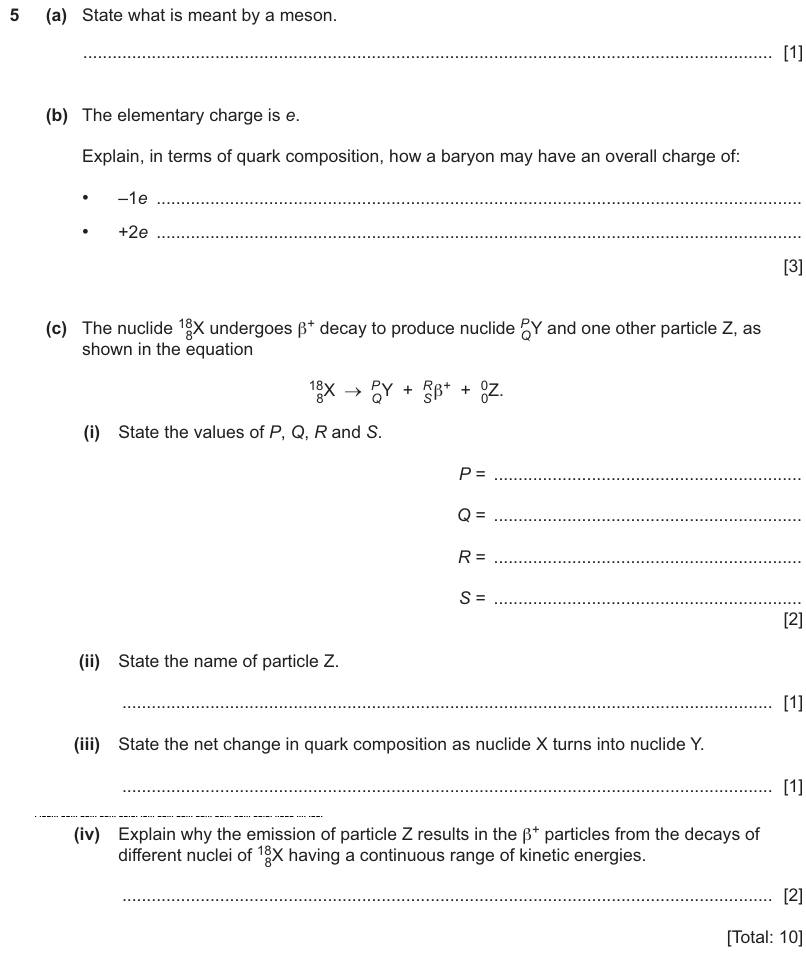
9702/2410 marks
May/June 2026 · Question 1
1.4 Scalars and vectors, 2.1 Equations of motion, 3.1 Momentum and Newton’s laws of motion
1.4 Scalars and vectors2.1 Equations of motion3.1 Momentum and Newton’s laws of motion
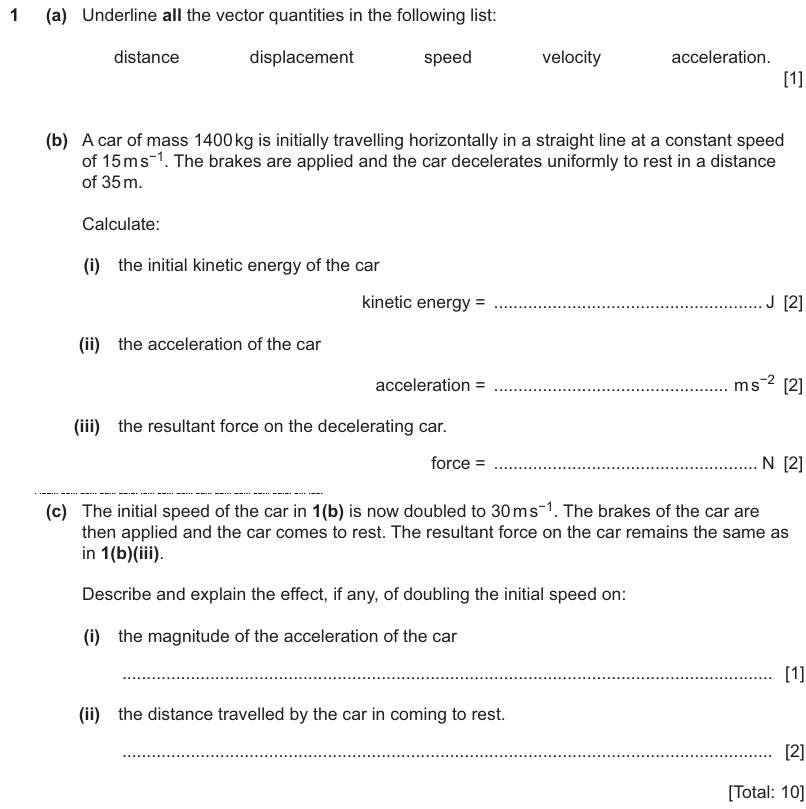
9702/2410 marks
May/June 2026 · Question 2
6.2 Elastic and plastic behaviour, 1.3 Errors and uncertainties
6.2 Elastic and plastic behaviour1.3 Errors and uncertainties
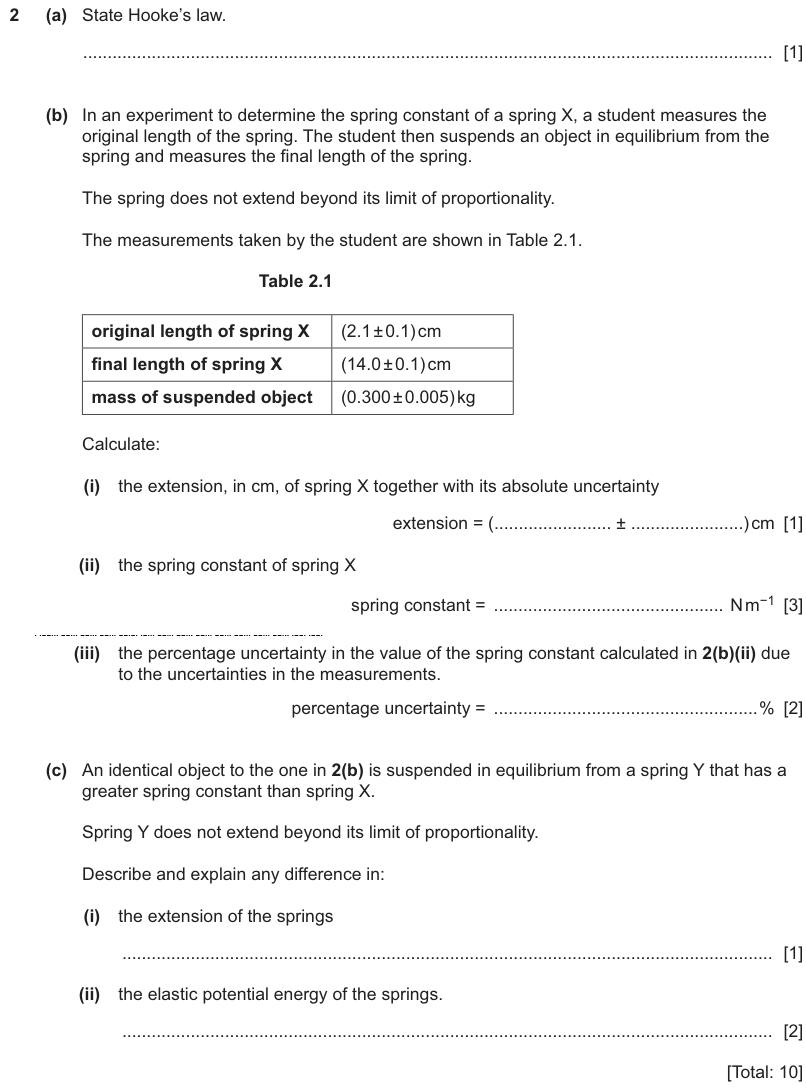
9702/248 marks
May/June 2026 · Question 3
8.1 Stationary waves
8.1 Stationary waves
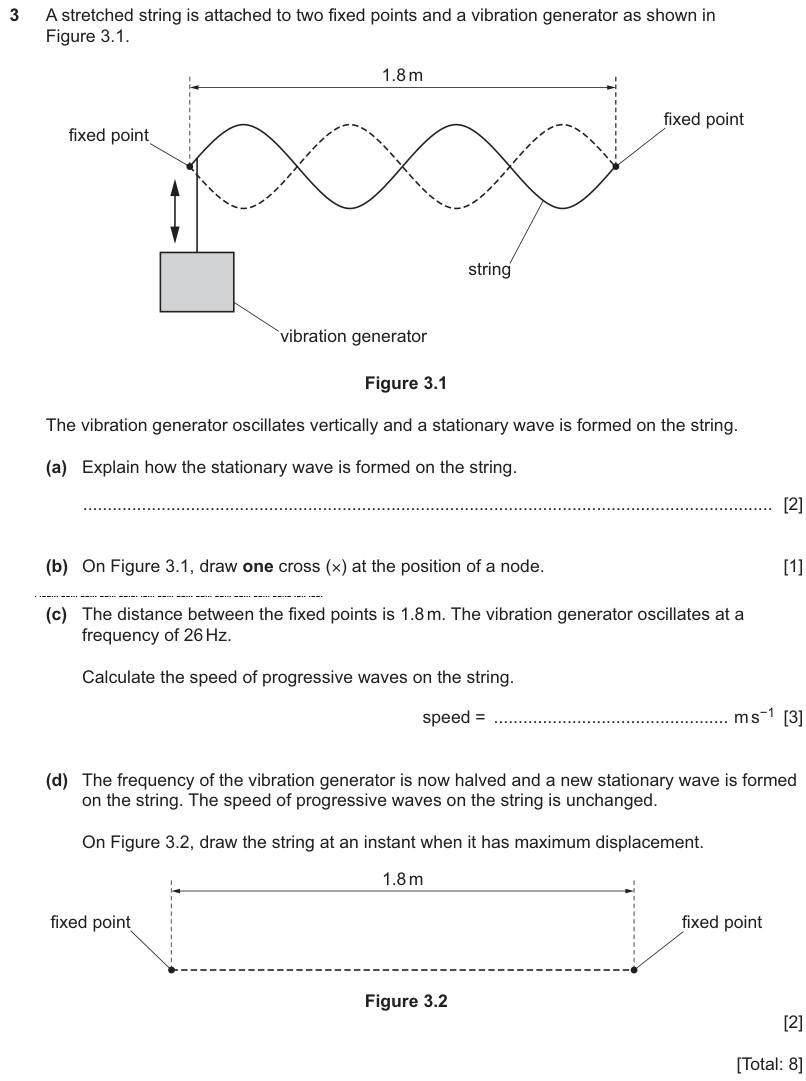
9702/247 marks
May/June 2026 · Question 4
3.2 Non-uniform motion
3.2 Non-uniform motion
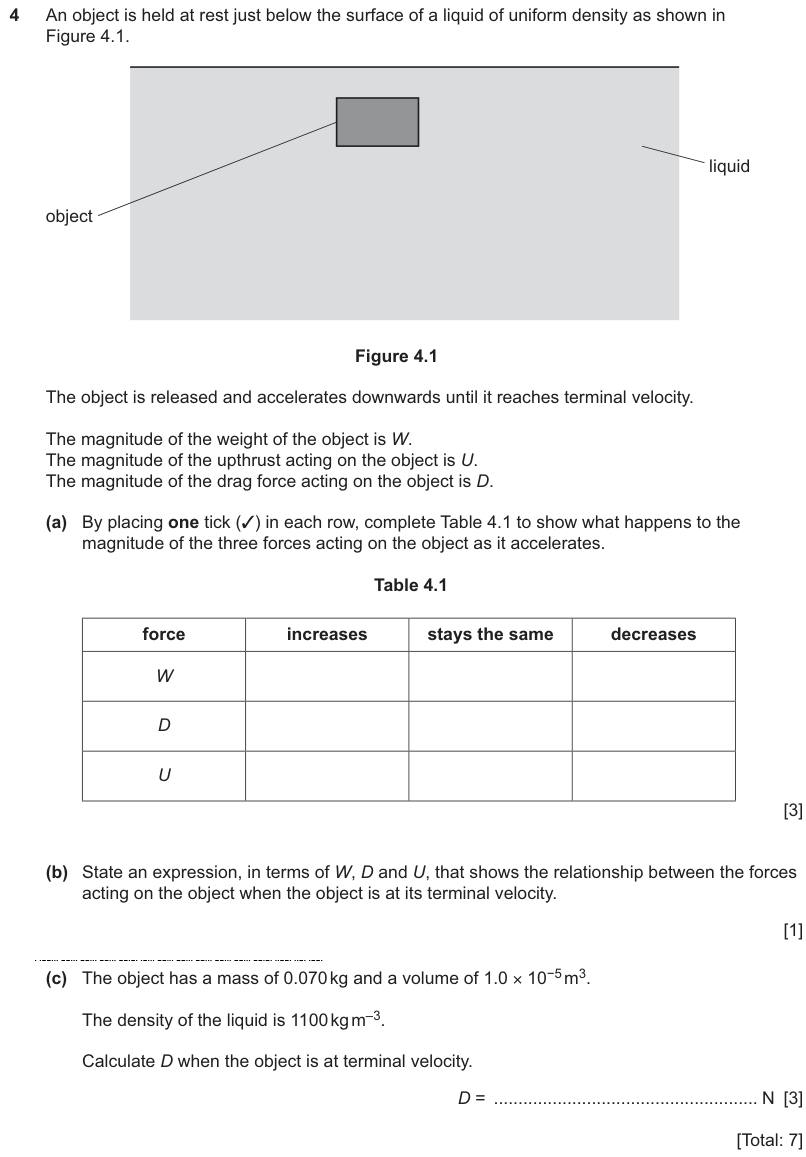
9702/2410 marks
May/June 2026 · Question 5
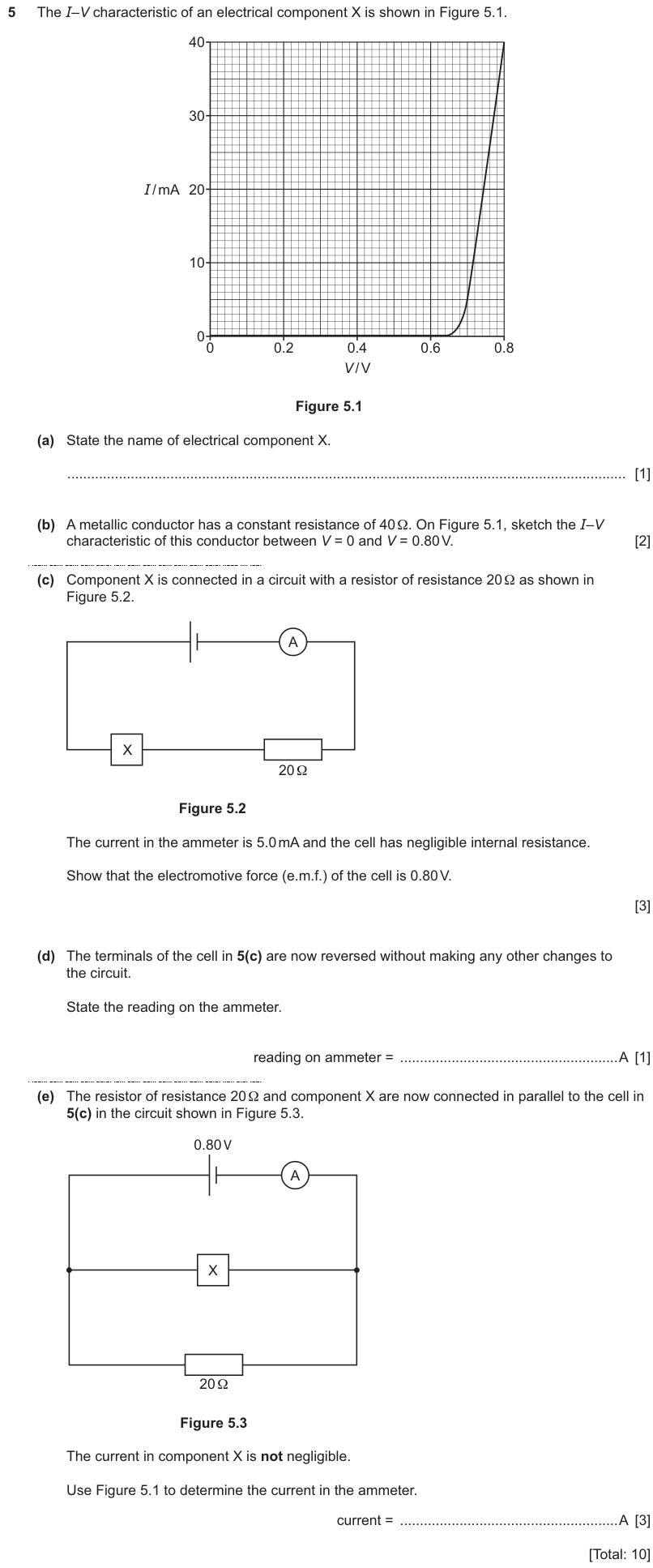
9.2 Potential difference and power, 10.1 Practical circuits, 10.2 Kirchhoff’s laws
9.2 Potential difference and power10.1 Practical circuits10.2 Kirchhoff’s laws
9702/247 marks
May/June 2026 · Question 6
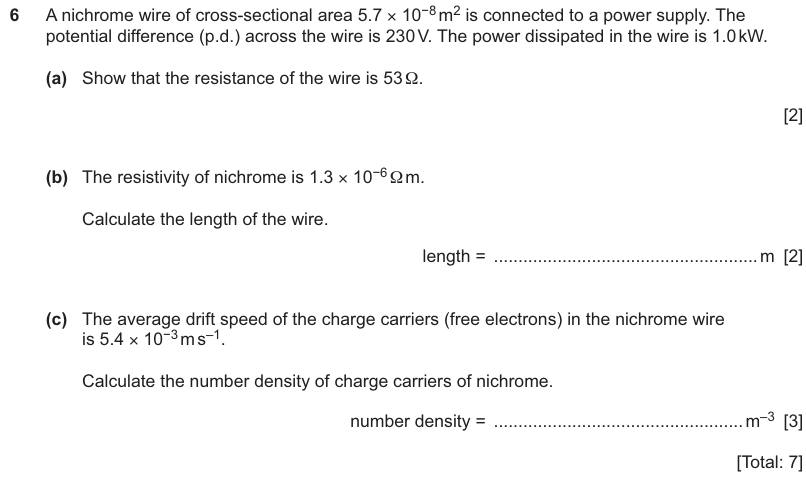
9.3 Resistance and resistivity, 9.1 Electric current, 9.2 Potential difference and power
9.3 Resistance and resistivity9.1 Electric current9.2 Potential difference and power
9702/248 marks
May/June 2026 · Question 7
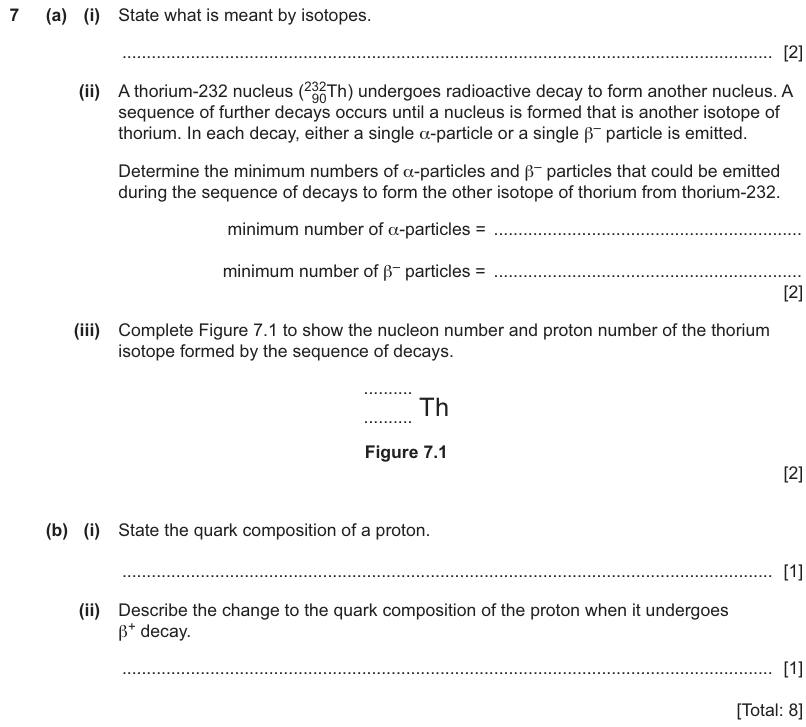
11.1 Atoms, nuclei and radiation, 11.2 Fundamental particles
11.1 Atoms, nuclei and radiation11.2 Fundamental particles
9702/4110 marks
May/June 2026 · Question 1
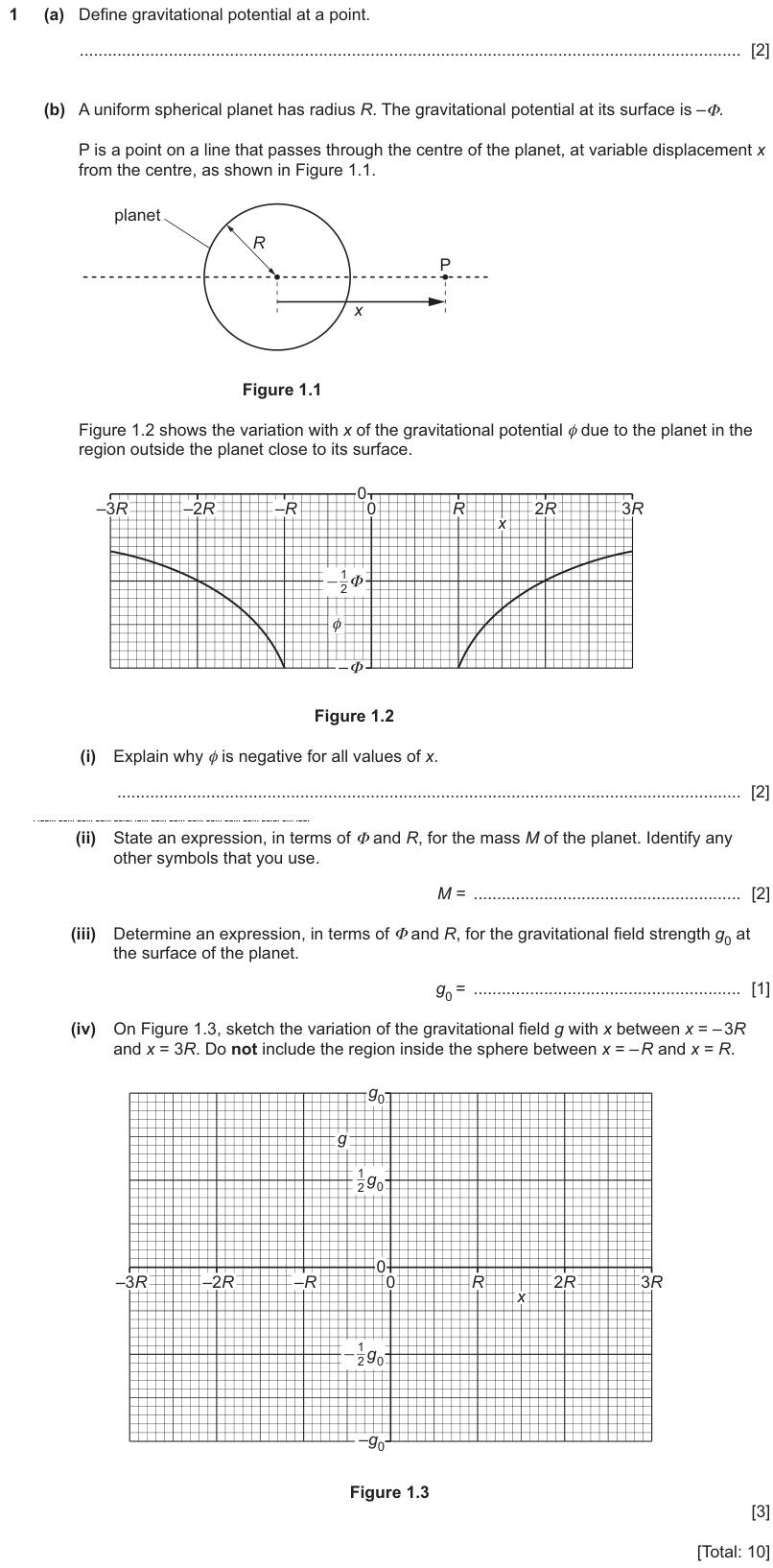
13.4 Gravitational potential
13.4 Gravitational potential
9702/4113 marks
May/June 2026 · Question 2
15.3 Kinetic theory of gases, 15.1 The mole, 15.2 Equation of state
15.3 Kinetic theory of gases15.1 The mole15.2 Equation of state
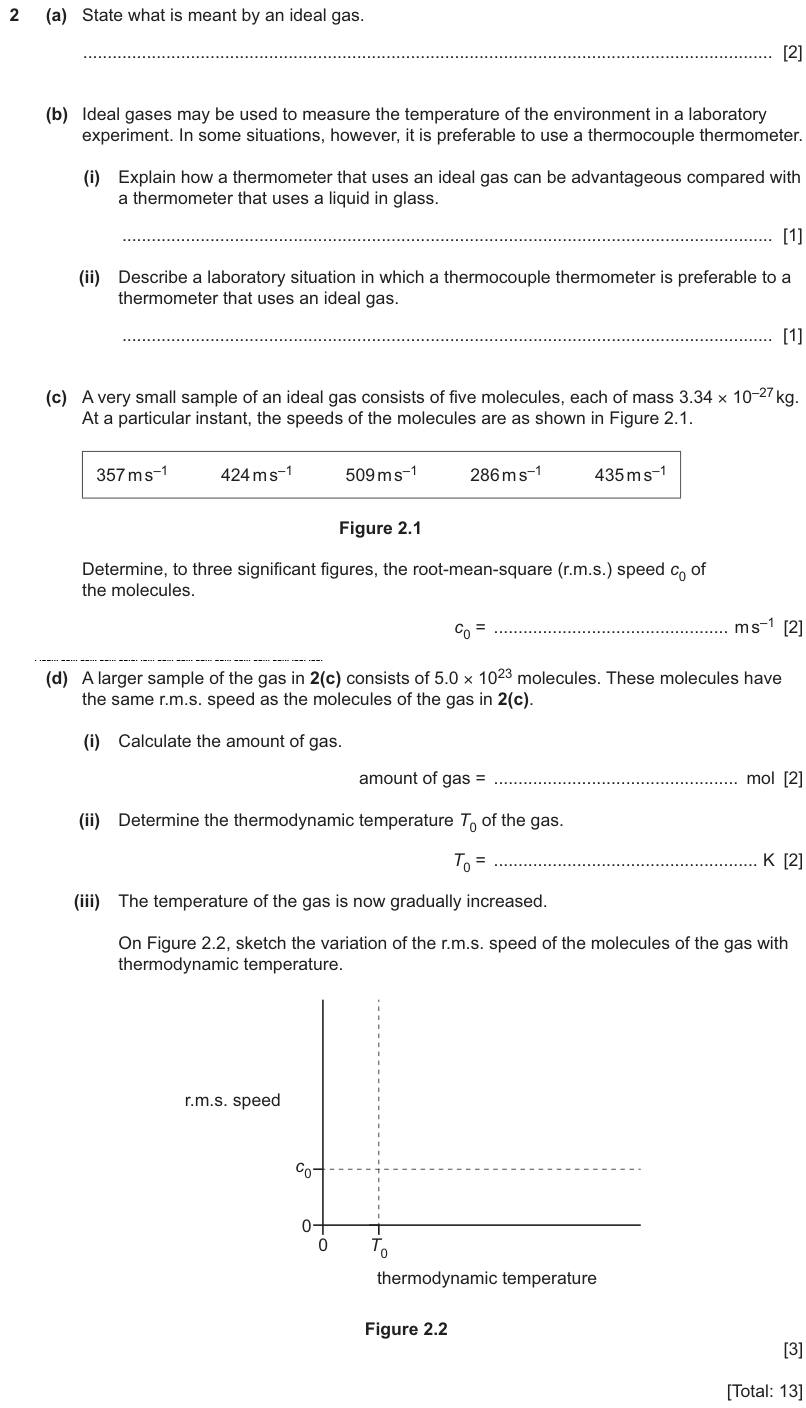
9702/4110 marks
May/June 2026 · Question 3
16.1 Internal energy, 15.2 Equation of state, 16.2 The first law of thermodynamics
16.1 Internal energy15.2 Equation of state16.2 The first law of thermodynamics
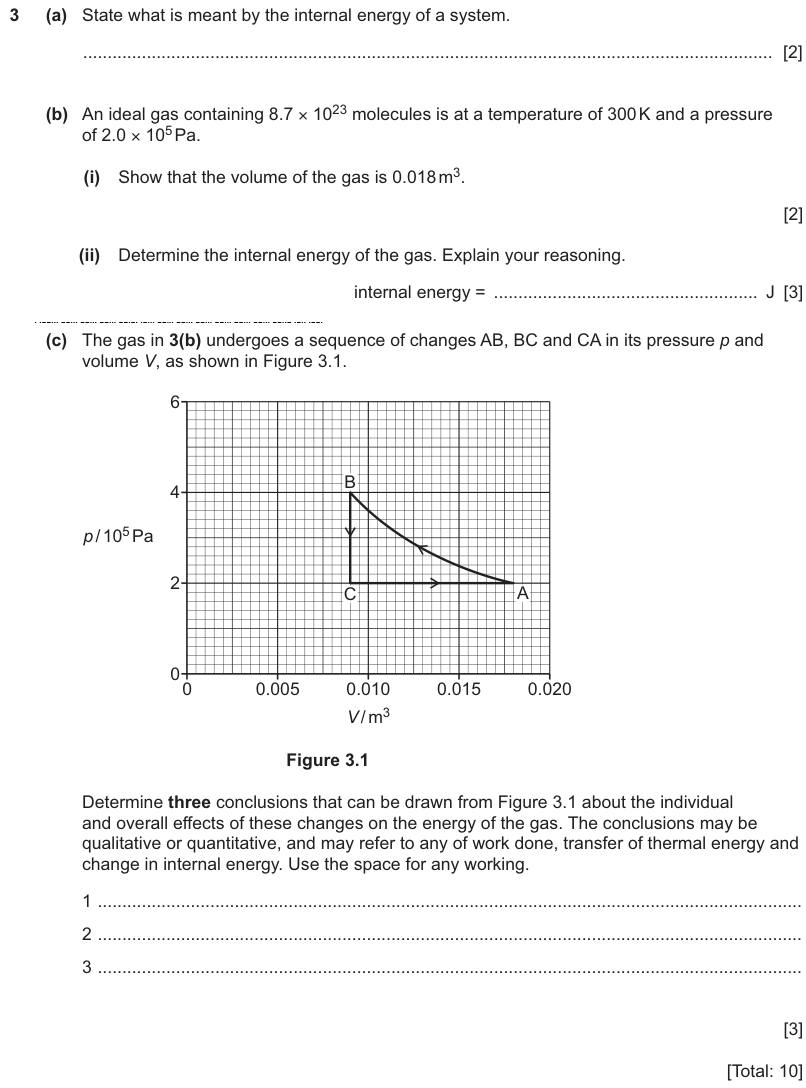
9702/419 marks
May/June 2026 · Question 4
18.4 Electric field of a point charge, 18.5 Electric potential, 18.3 Electric force between point charges
18.4 Electric field of a point charge18.5 Electric potential18.3 Electric force between point charges
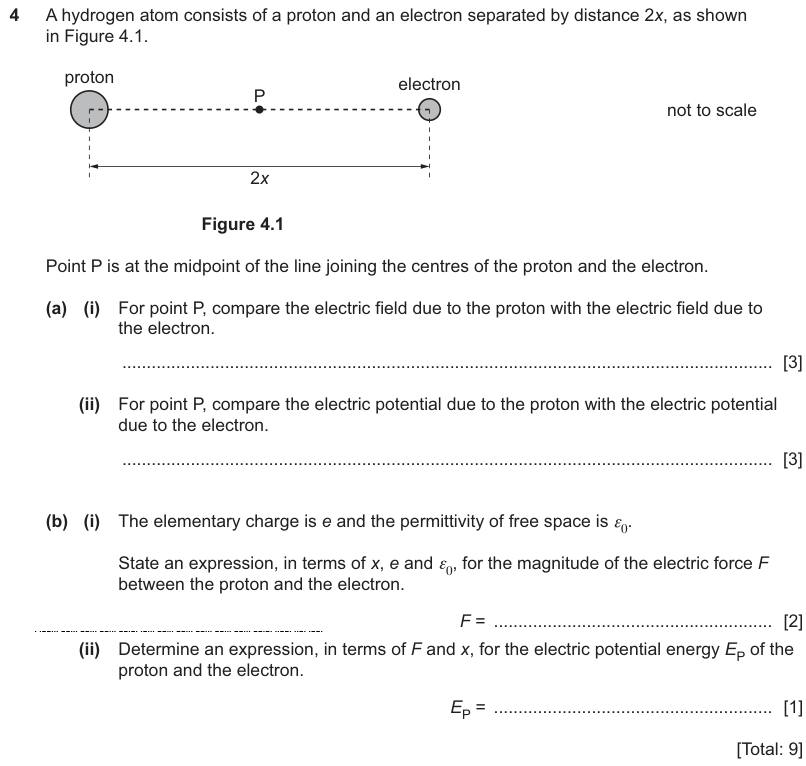
9702/418 marks
May/June 2026 · Question 5
19.1 Capacitors and capacitance, 19.2 Energy stored in a capacitor
19.1 Capacitors and capacitance19.2 Energy stored in a capacitor
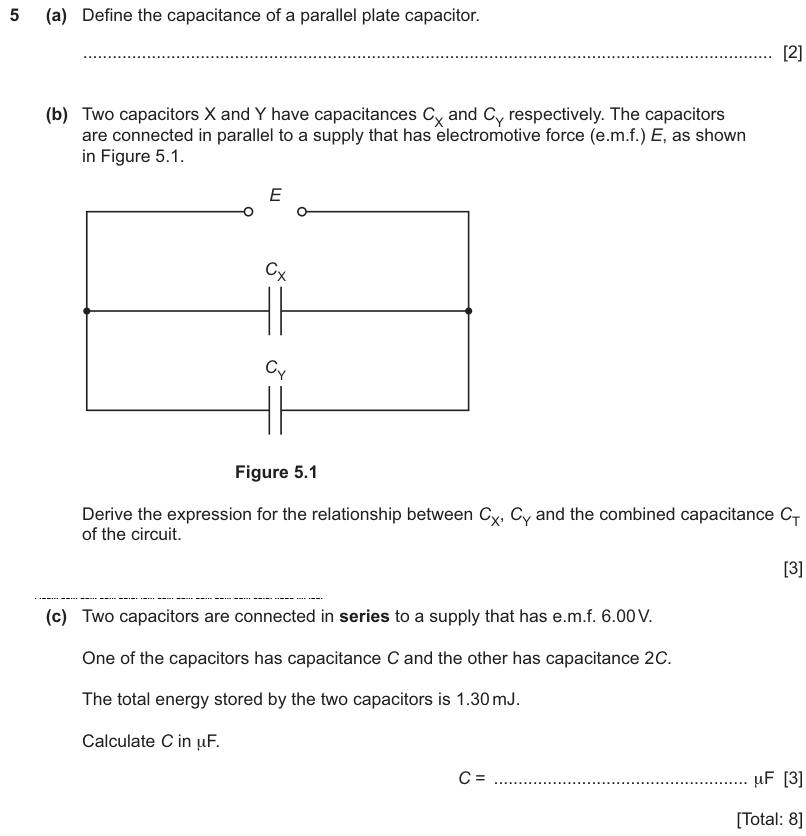
9702/4112 marks
May/June 2026 · Question 6
20.3 Force on a moving charge, 20.1 Concept of a magnetic field, 12.2 Centripetal acceleration
20.3 Force on a moving charge20.1 Concept of a magnetic field12.2 Centripetal acceleration
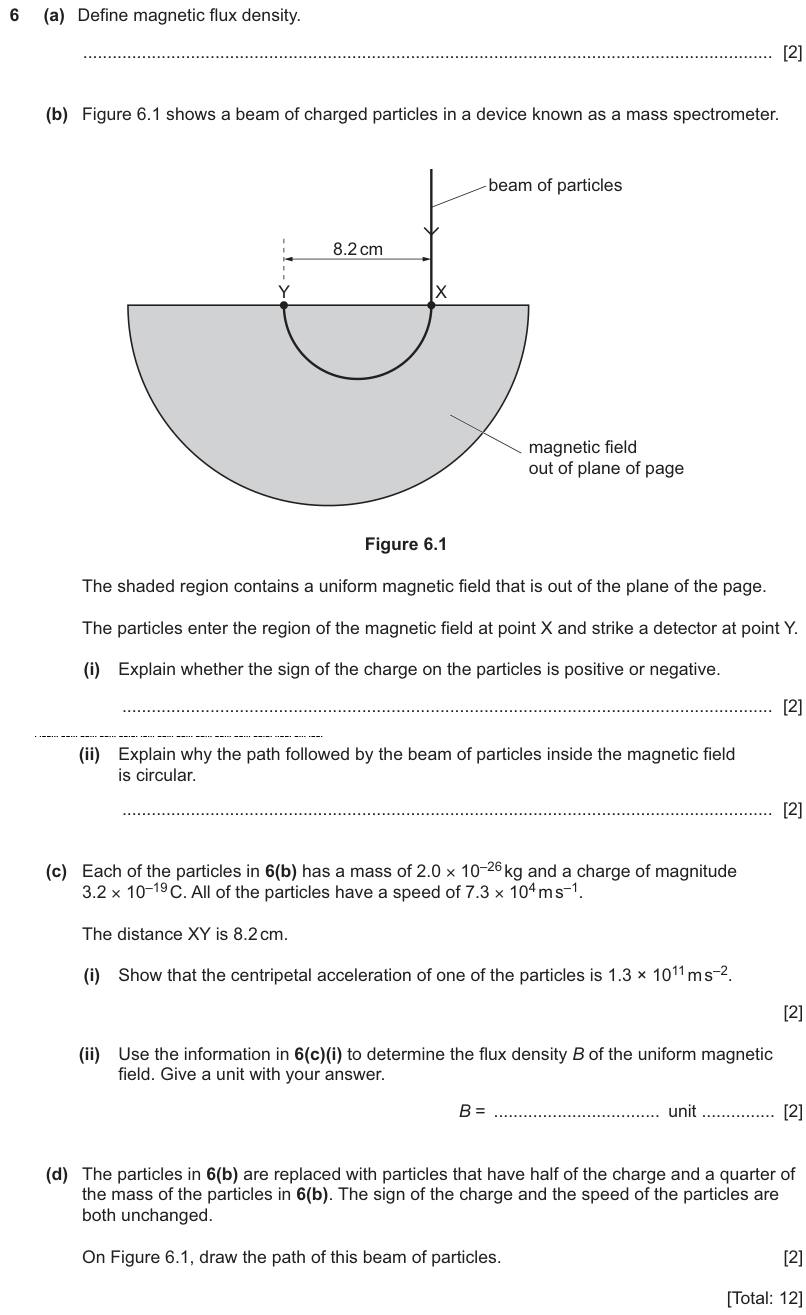
9702/418 marks
May/June 2026 · Question 7
21.1 Characteristics of alternating currents, 21.2 Rectification and smoothing
21.1 Characteristics of alternating currents21.2 Rectification and smoothing
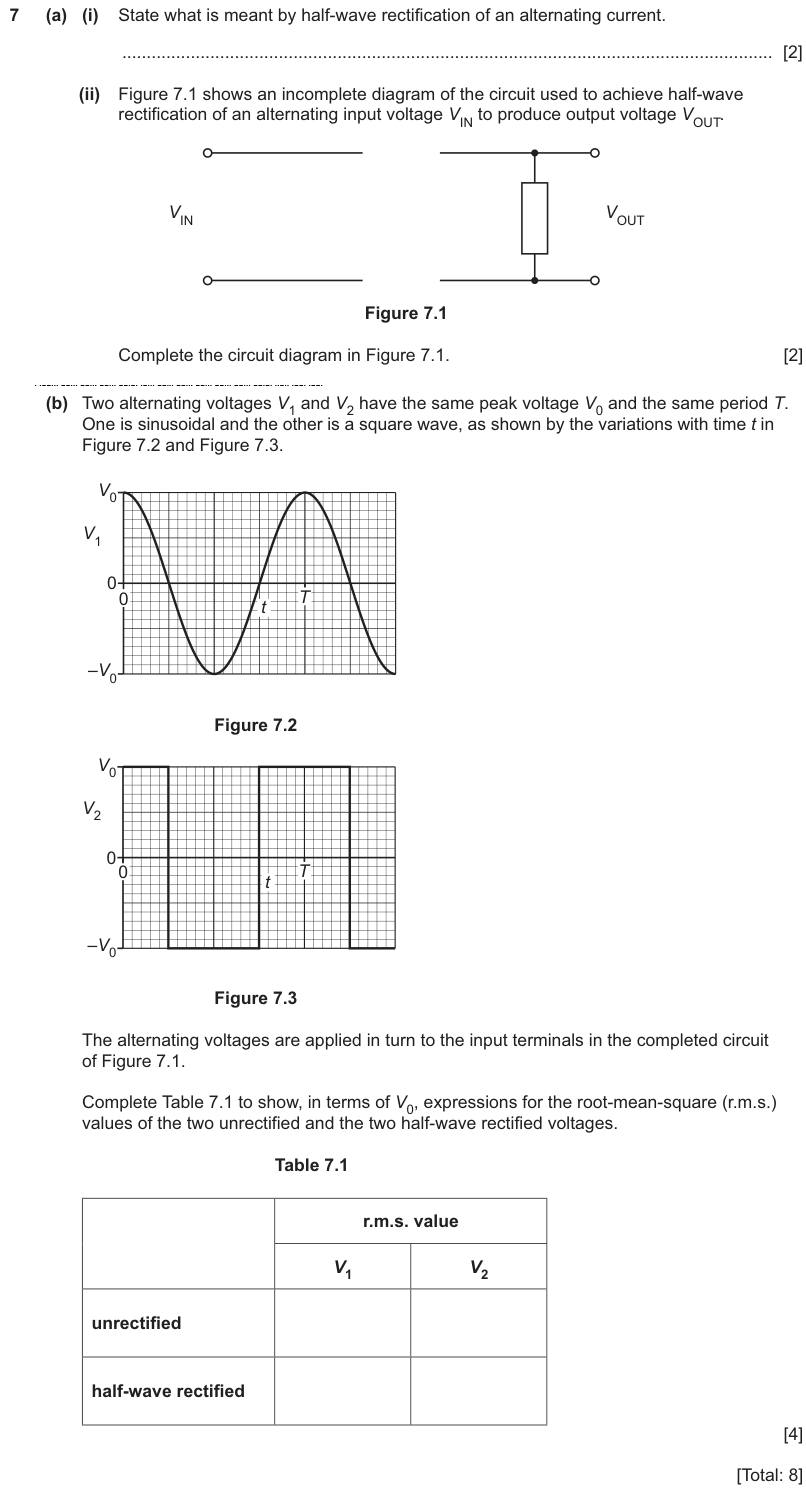
9702/4113 marks
May/June 2026 · Question 8
24.2 Production and use of X-rays, 22.1 Energy and momentum of a photon
24.2 Production and use of X-rays22.1 Energy and momentum of a photon
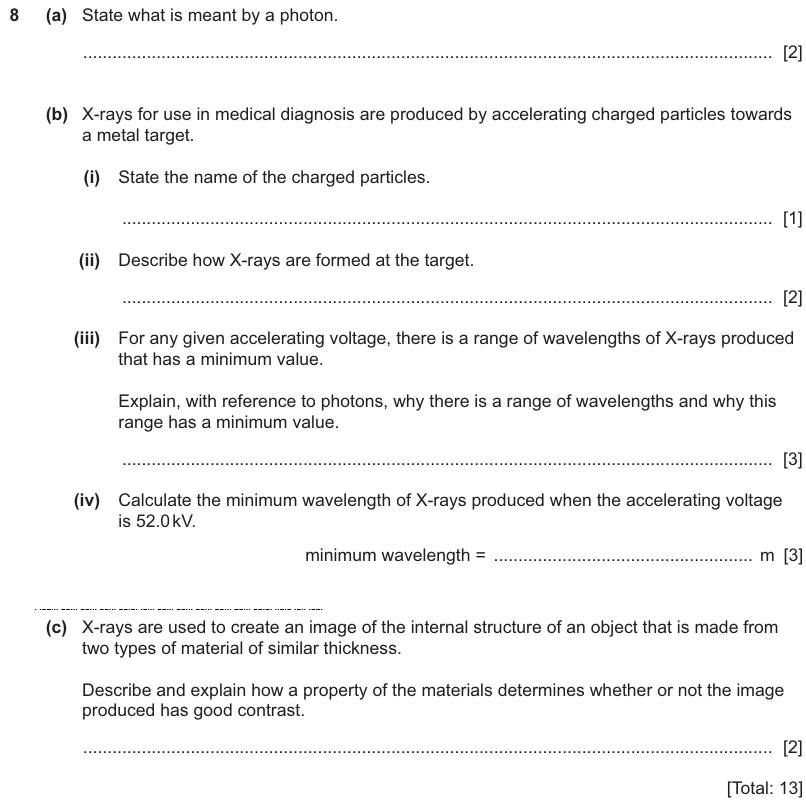
9702/419 marks
May/June 2026 · Question 9
23.1 Mass defect and nuclear binding energy, 23.2 Radioactive decay
23.1 Mass defect and nuclear binding energy23.2 Radioactive decay
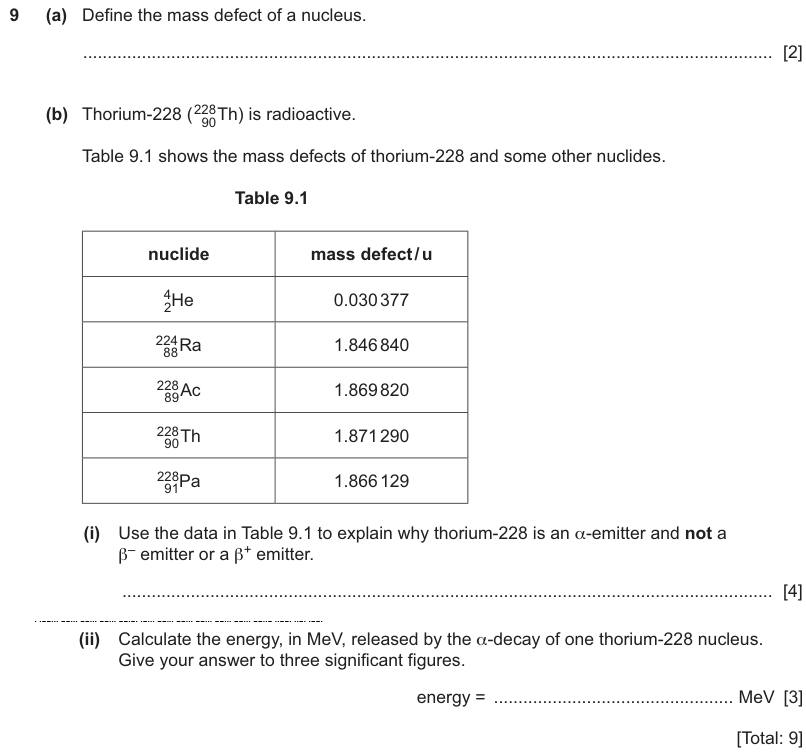
9702/418 marks
May/June 2026 · Question 10
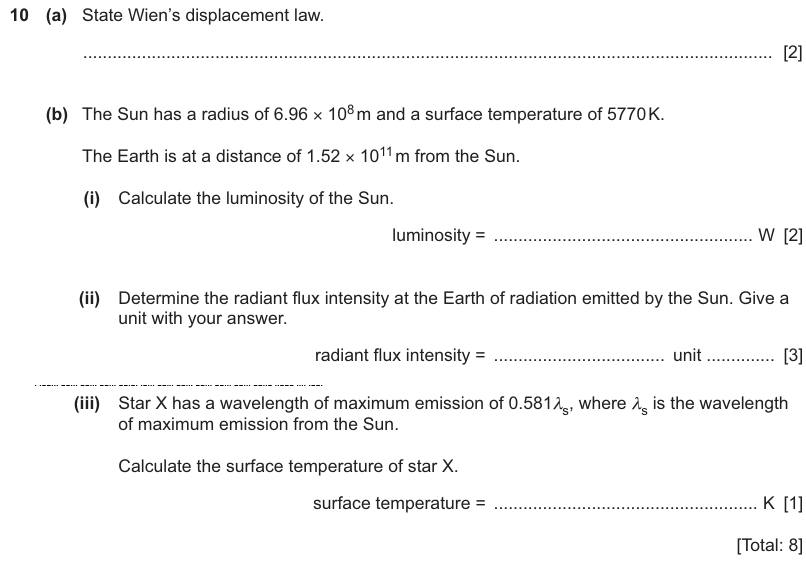
25.2 Stellar radii, 25.1 Standard candles
25.2 Stellar radii25.1 Standard candles
9702/4210 marks
May/June 2026 · Question 1
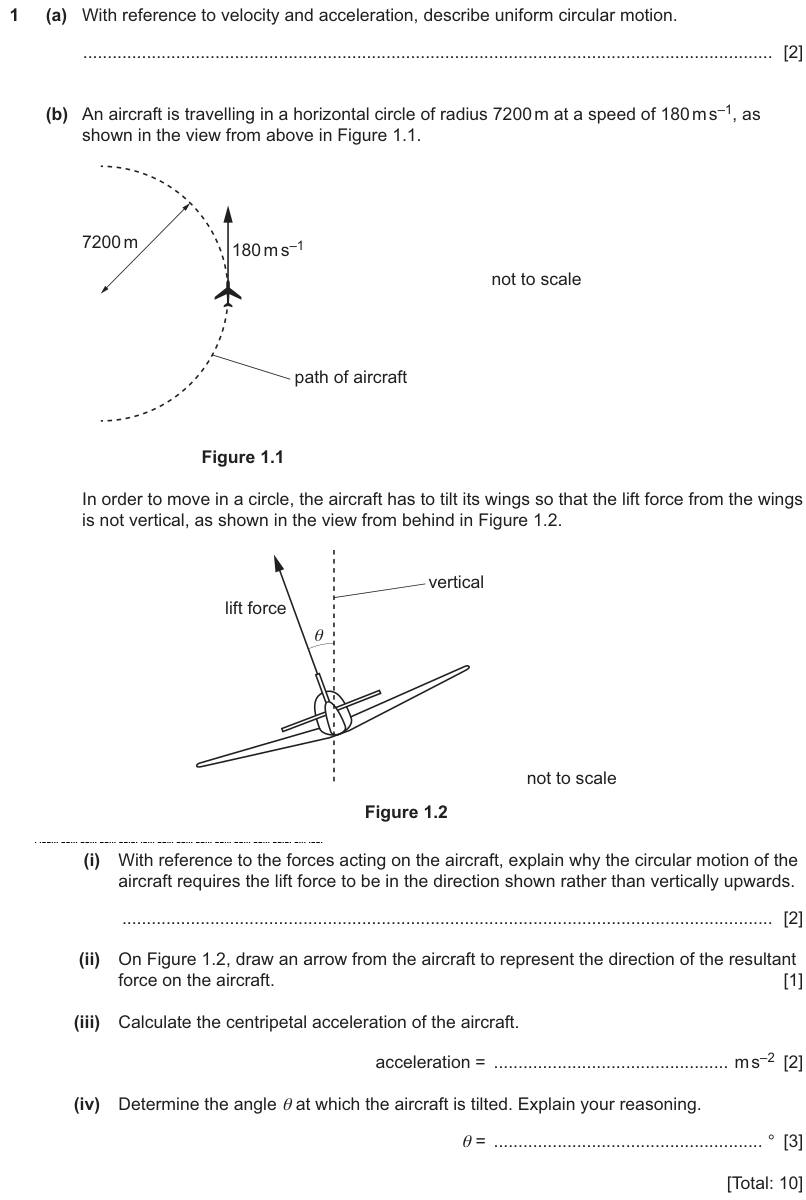
12.1 Kinematics of uniform circular motion, 12.2 Centripetal acceleration
12.1 Kinematics of uniform circular motion12.2 Centripetal acceleration
9702/429 marks
May/June 2026 · Question 2
13.1 Gravitational field, 13.3 Gravitational field of a point mass, 13.4 Gravitational potential
13.1 Gravitational field13.3 Gravitational field of a point mass13.4 Gravitational potential